
Why 24/7 Emergency Towing Is Essential During Idaho Winters
Idaho winters are not just cold; they are unforgiving. Heavy snowfall, black ice, freezing rain, and sub-zero temperatures create hazardous driving conditions across highways, rural roads, and city streets alike. From early morning commuters to long-haul truck drivers, anyone on the road during winter faces heightened risks. Mechanical failures, slide-offs, battery issues, and collision incidents become more frequent as temperatures drop. In such conditions, access to 24/7 emergency towing is not a convenience—it is an essential service that safeguards lives, vehicles, and traffic flow.
The towing and roadside assistance industry plays a critical role during Idaho’s harsh winter months. Emergency response teams are often the first line of defense when motorists find themselves stranded in remote areas or exposed to extreme weather. Quick response times, specialized recovery equipment, and trained operators can mean the difference between a minor inconvenience and a dangerous situation. Understanding why round-the-clock towing services are vital during Idaho winters helps drivers appreciate the importance of preparedness and reliable emergency support.
The Unique Challenges of Idaho Winters
Severe Weather Conditions and Road Hazards
Idaho experiences significant snowfall, icy roadways, and sudden weather shifts throughout winter. Mountain passes, rural highways, and even urban streets can become treacherous within hours. Black ice is particularly dangerous because it is nearly invisible and often forms overnight when temperatures drop rapidly. Snow-packed roads reduce traction, increase stopping distances, and make steering unpredictable.
Drivers frequently encounter whiteout conditions during heavy storms, limiting visibility and increasing the likelihood of accidents. Wind chill factors and sub-zero temperatures further complicate roadside situations. When a vehicle breaks down in such conditions, the risk to occupants rises quickly. Exposure to extreme cold can lead to frostbite or hypothermia if assistance is delayed.
Increased Vehicle Failures in Cold Temperatures
Cold weather significantly affects vehicle performance. Batteries lose power as temperatures drop, making winter one of the most common seasons for battery failures. Engine oil thickens, tire pressure decreases, and fuel lines can freeze. Even well-maintained vehicles may struggle to start or function properly in extreme cold.
These mechanical vulnerabilities contribute to a spike in roadside breakdowns during Idaho winters. Without 24/7 emergency towing services, stranded drivers could be left waiting for hours in unsafe conditions. Around-the-clock availability ensures that assistance is accessible at any time, including late nights and early mornings when temperatures are at their lowest.
Why 24/7 Availability Is Critical
Accidents and Breakdowns Don’t Follow Business Hours
Winter emergencies rarely occur at convenient times. Snowstorms often intensify overnight, and many accidents happen during early morning or late evening commutes. Limited daylight during winter months also reduces visibility, increasing the risk of collisions outside traditional service hours.
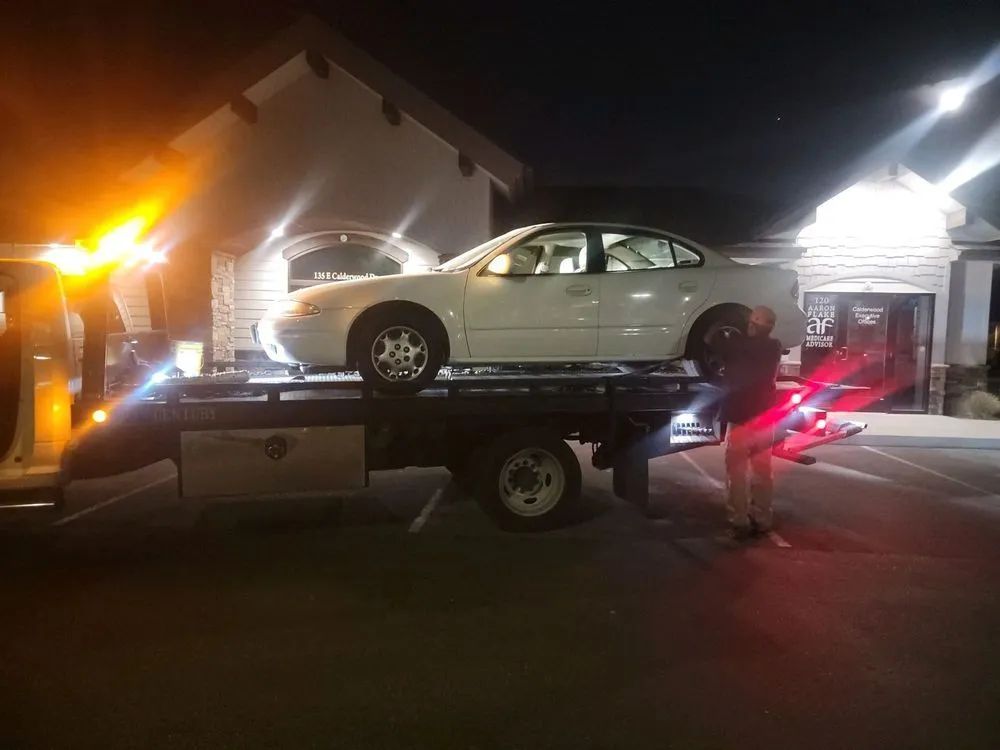
A 24/7 emergency towing service ensures that no driver is left stranded simply because it is after business hours. Whether it is 2 a.m. on a rural highway or during a holiday snowstorm, immediate access to towing assistance provides essential security for motorists.
Time-Sensitive Risk Management
Delays during winter roadside incidents can escalate quickly. A vehicle stuck on a busy roadway increases the risk of secondary accidents. In rural or mountainous regions, waiting too long for help may expose occupants to dangerous temperatures without adequate shelter.
Prompt towing and roadside recovery minimize these risks. Rapid response not only protects the stranded driver but also helps maintain traffic flow and reduce congestion. Emergency towing professionals are trained to assess hazards, secure accident scenes, and safely remove vehicles, preventing further complications.
Peace of Mind for Drivers and Families
Knowing that emergency towing is available 24/7 offers psychological reassurance during winter travel. Drivers are more likely to venture out when they feel supported by reliable roadside services. Families traveling long distances during holidays or work trips benefit from the confidence that help is only a phone call away.
This peace of mind contributes to safer driving behaviors. When motorists know assistance is available, they are less likely to attempt risky self-recovery efforts that could result in injury or further vehicle damage.
Specialized Equipment and Expertise for Winter Recovery
Advanced Recovery Equipment
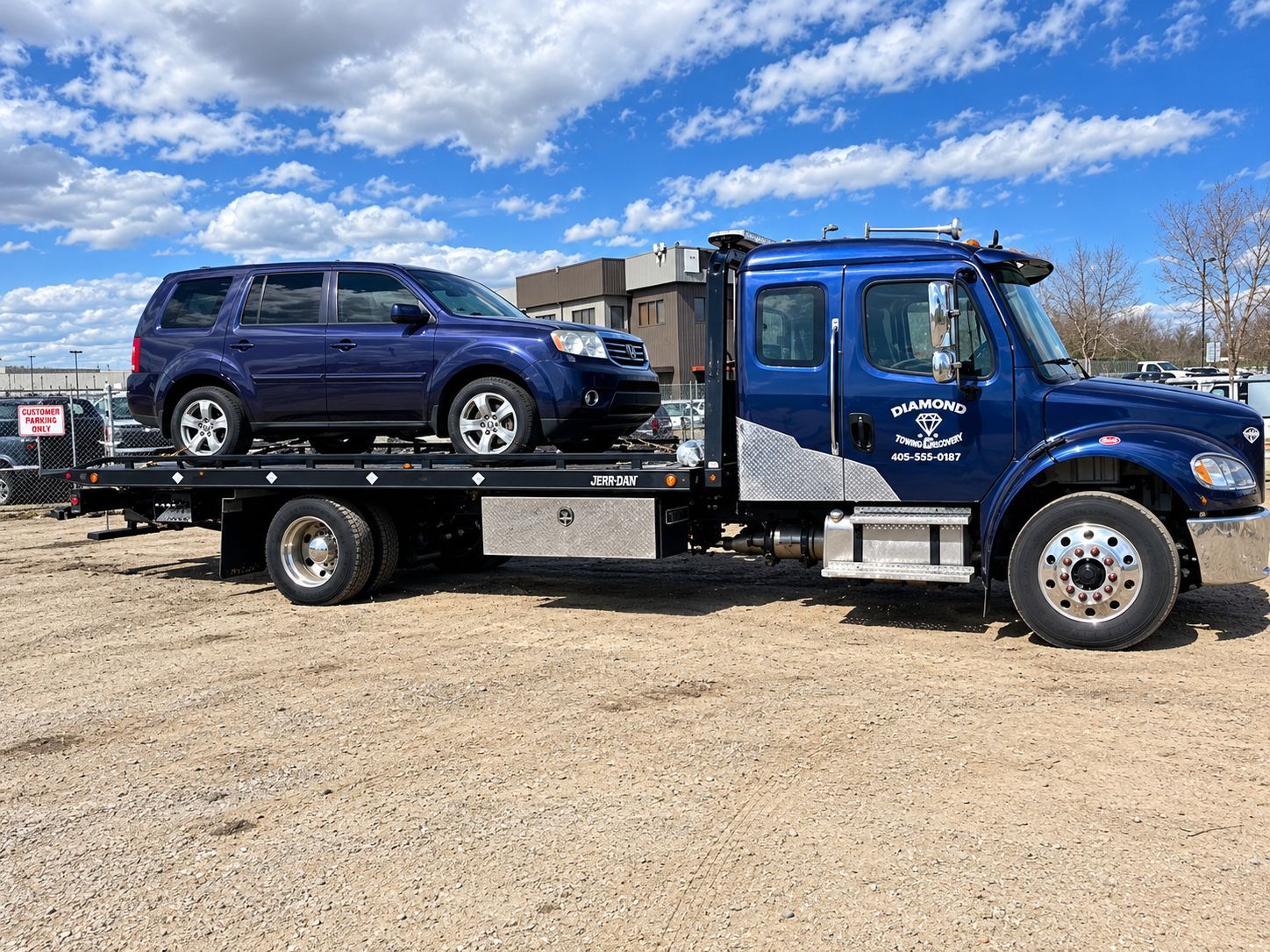
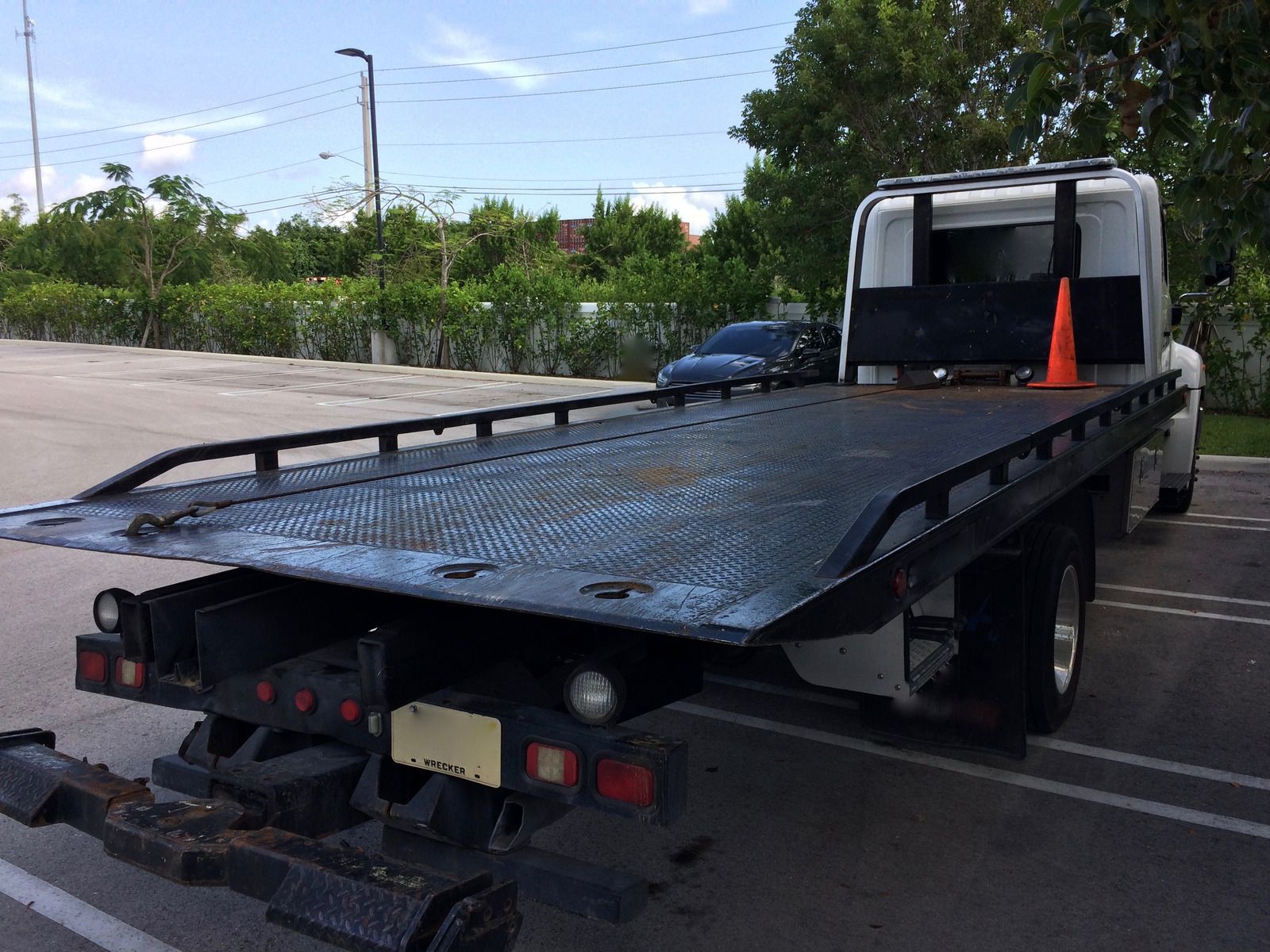
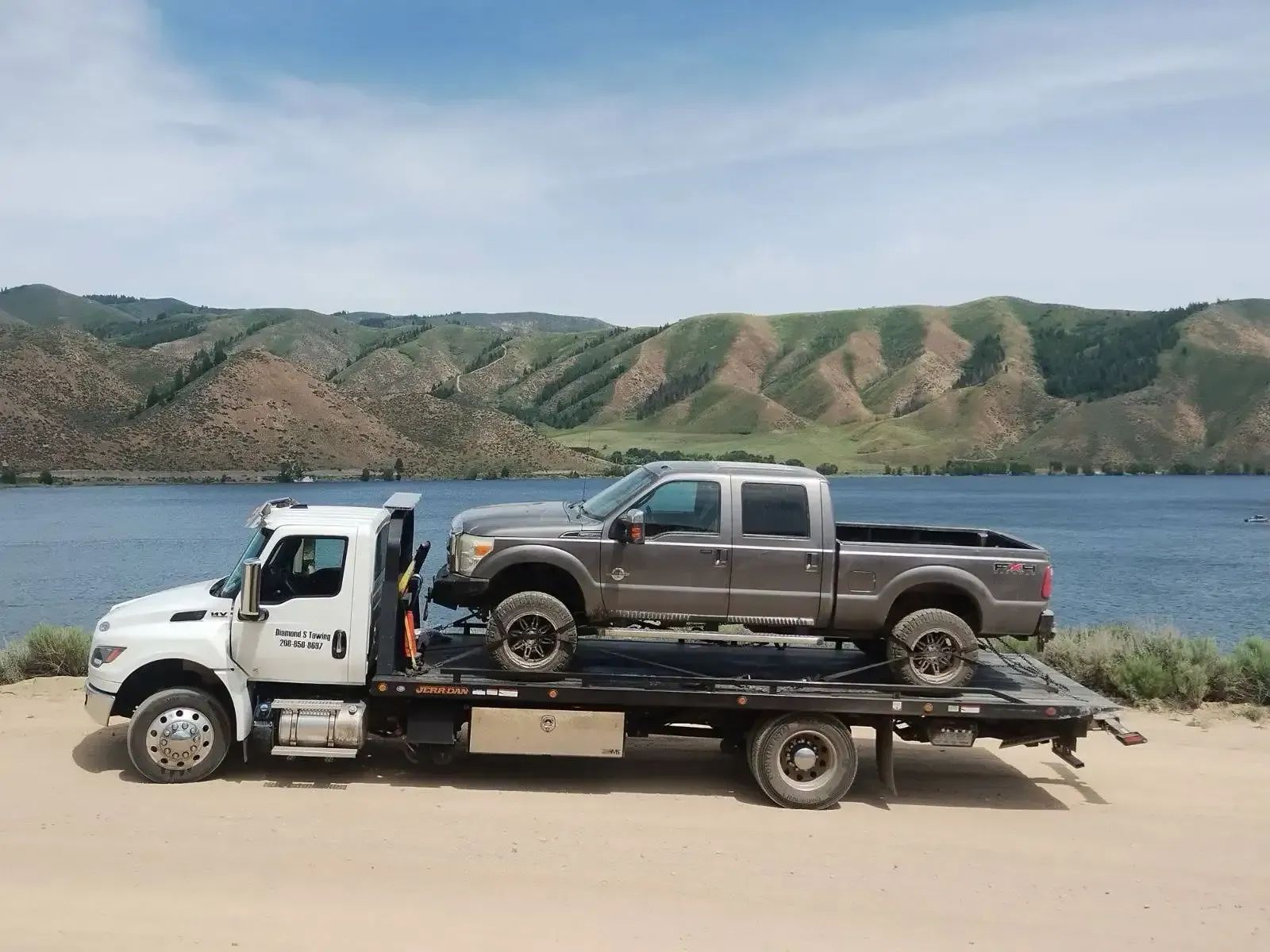
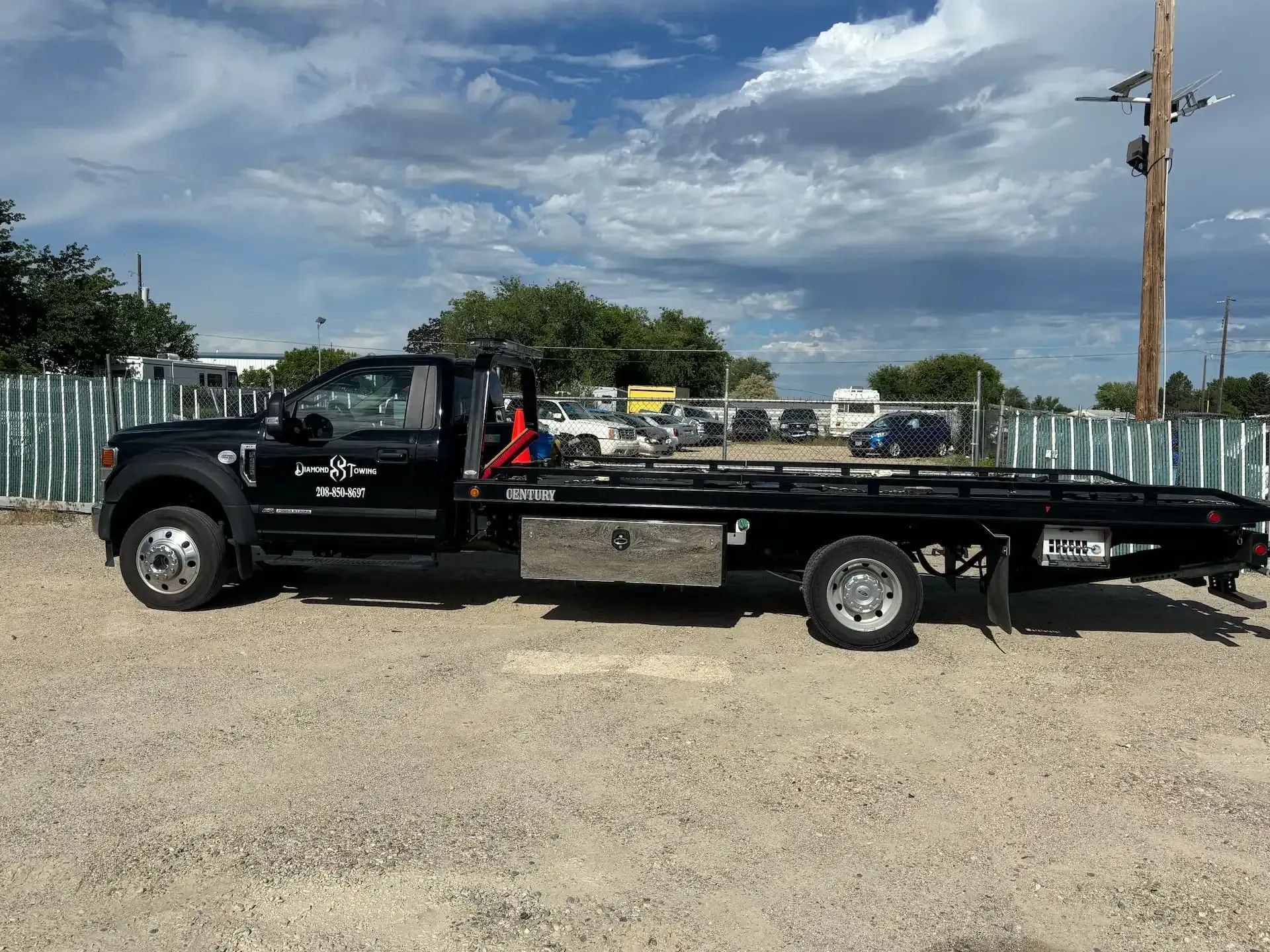
Winter towing requires more than a standard tow truck. Snow-covered ditches, icy inclines, and steep embankments demand specialized recovery equipment. Heavy-duty winches, reinforced cables, wheel-lift systems, and flatbed trucks are often necessary to safely extract vehicles without causing additional damage.
Professional emergency towing services invest in equipment designed to handle winter conditions. For example, all-wheel-drive tow trucks and chains improve traction on slippery roads. This level of preparedness ensures efficient and secure recoveries, even in severe weather.
Skilled Operators Trained for Extreme Conditions
Experience matters significantly during winter recoveries. Operators must understand how snow and ice affect vehicle weight distribution, braking distance, and traction. Improper recovery techniques can worsen damage or create additional hazards.
Trained towing professionals follow strict safety protocols. They assess the scene, stabilize the vehicle, and use proper attachment points to avoid structural harm. Their expertise reduces the risk of injury and ensures that vehicles are transported safely to repair facilities.
Handling Commercial and Heavy-Duty Vehicles
Idaho’s economy relies heavily on trucking and transportation. Winter storms frequently impact commercial vehicles traveling through the state. Heavy-duty trucks that jackknife or slide off icy roads require specialized towing capabilities.
24/7 emergency towing services equipped for heavy-duty recovery play a vital role in keeping supply chains operational. Quick removal of disabled commercial vehicles helps prevent prolonged road closures and minimizes economic disruption.
Real-World Scenarios Highlighting the Need for Emergency Towing
Slide-Offs in Rural Areas
Consider a driver traveling on a rural highway during a snowstorm. Reduced visibility and slick pavement cause the vehicle to slide into a roadside ditch. With limited cell reception and no nearby businesses, the situation becomes urgent.
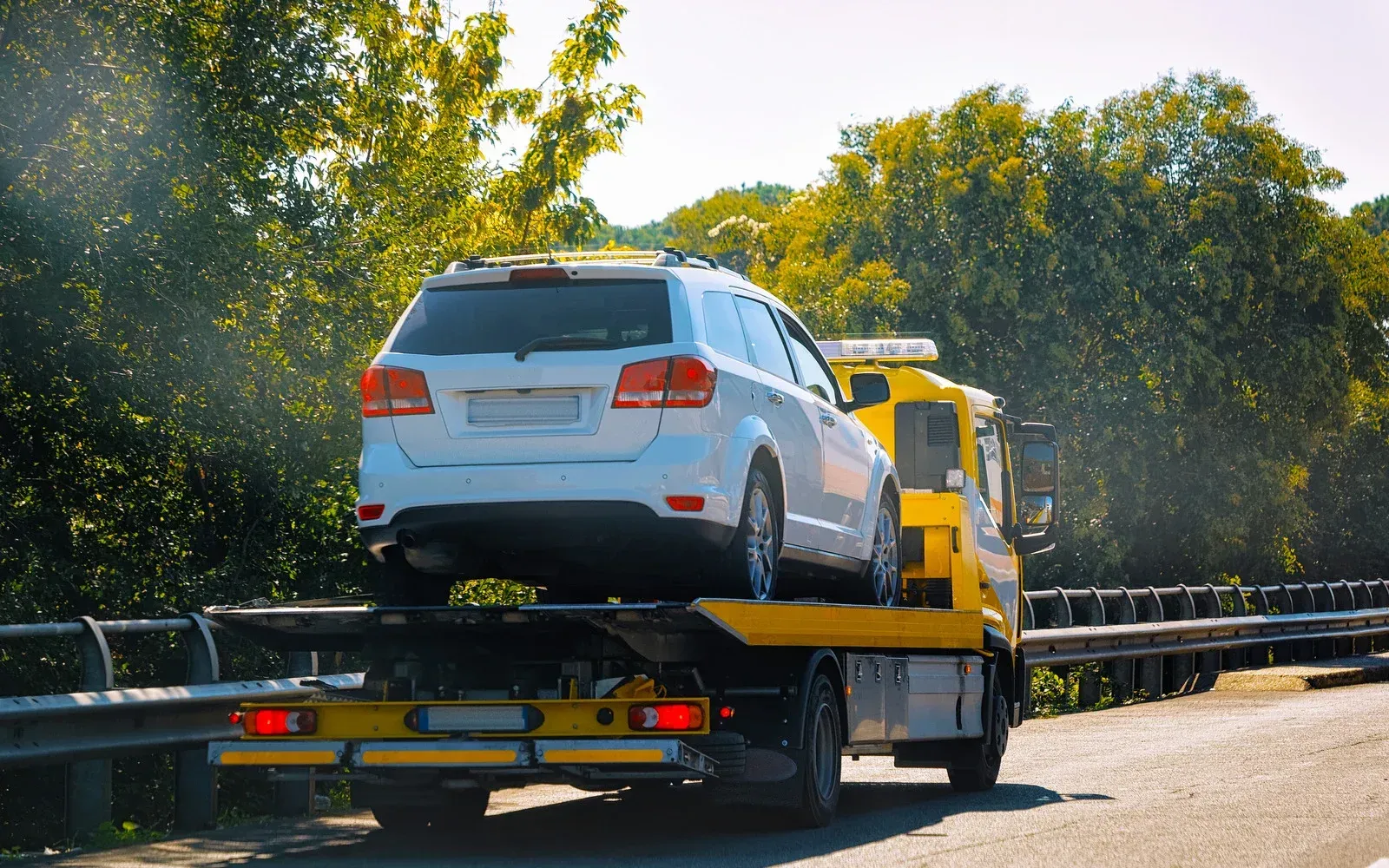
In such cases, immediate 24/7 towing response is critical. Professional recovery prevents prolonged exposure to freezing temperatures and ensures the driver can reach safety promptly. Without timely assistance, the risks escalate quickly.
Multi-Vehicle Collisions on Icy Roads
Winter conditions often contribute to chain-reaction accidents. When one vehicle loses control on ice, others may collide due to insufficient stopping distance. Clearing these scenes requires coordinated towing operations to remove damaged vehicles efficiently.
Emergency towing teams work alongside law enforcement and emergency responders to secure accident sites. Fast vehicle removal reduces traffic congestion and lowers the risk of additional crashes.
Battery Failures in Sub-Zero Temperatures
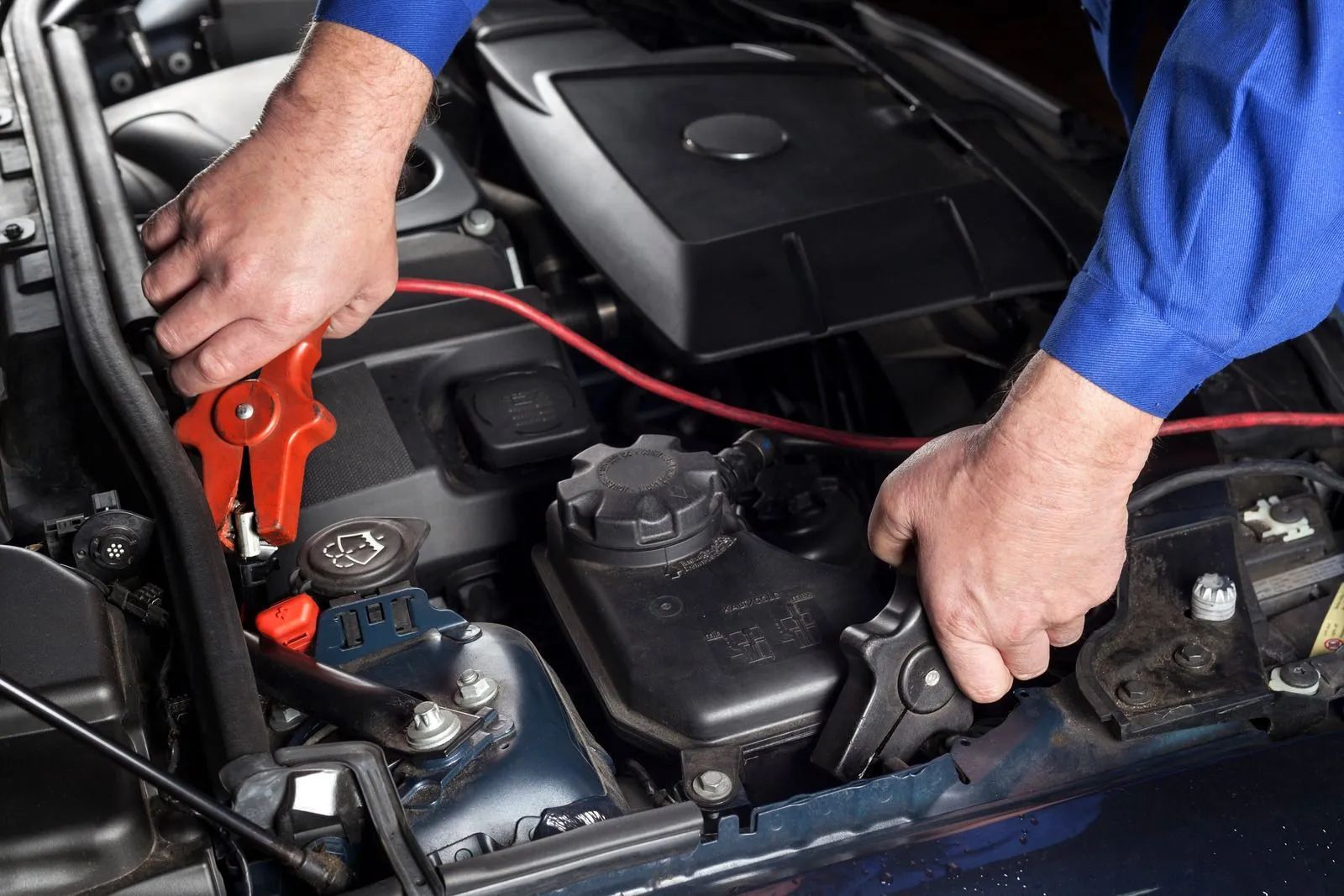
A common winter scenario involves a vehicle that refuses to start after sitting overnight. Cold weather drains battery power, leaving drivers stranded before work or school. Roadside assistance that includes jump-start services can resolve many of these issues quickly. However, if deeper mechanical problems exist, towing becomes necessary.
Round-the-clock availability ensures that drivers are not left waiting in freezing conditions during early morning hours.
Best Practices for Drivers During Idaho Winters
Proactive Vehicle Maintenance
While 24/7 emergency towing is essential, prevention remains equally important. Drivers should schedule winter vehicle inspections, check battery health, monitor tire tread depth, and maintain proper tire pressure. Using winter-rated tires improves traction and reduces accident risk.
Carrying an emergency kit with blankets, flashlights, food, and water provides added protection in case of unexpected delays.
Choosing a Reliable Emergency Towing Provider
Not all towing services are equipped for winter recovery. Drivers should research providers that offer 24/7 emergency towing, trained operators, and modern recovery equipment. Transparency in pricing and response time estimates also reflects professionalism and reliability.
Establishing contact with a trusted towing service before winter begins ensures quick access during emergencies.
Staying Calm and Safe During Breakdowns
If a vehicle becomes disabled in winter conditions, safety should be the priority. Drivers should move to a safe location if possible, activate hazard lights, and remain inside the vehicle for warmth. Calling a professional towing service promptly minimizes exposure and reduces risks.
Avoid attempting self-recovery in hazardous conditions. Slippery surfaces and poor visibility can lead to injuries or further damage. Professional assistance is the safest option during Idaho winters.
Reliable Winter Towing Backed by Experience
Idaho winters create some of the most challenging driving conditions in the region. Snowstorms, icy roads, mechanical failures, and reduced visibility increase the likelihood of breakdowns and accidents. In these circumstances, 24/7 emergency towing is not merely helpful—it is critical for safety, efficiency, and peace of mind. Immediate response reduces exposure to extreme temperatures, prevents secondary accidents, and ensures vehicles are handled with expertise and care. Specialized equipment and trained professionals make a measurable difference in winter recovery outcomes. Drivers who understand these realities are better prepared to navigate the season responsibly and confidently.
For motorists in Boise and Nampa, Idaho, Diamond S Towing & Recovery
stands as a trusted authority in towing and
roadside assistance services. With 20
years of experience serving the community, the company understands the unique demands of Idaho winters. Its team is equipped with advanced recovery tools and skilled operators trained to manage everything from minor breakdowns to complex winter recoveries. Committed to safety, reliability, and rapid response, Diamond S Towing & Recovery
provides dependable 24/7 emergency towing that drivers can rely on when conditions are at their worst.