
Drive an AWD or 4WD Vehicle? Why the Tow Method Actually Matters
Quick Answer: Roughly half the new vehicles sold in Idaho over the last few years have all-wheel drive or four-wheel drive standard or as a popular option, from Subaru wagons that never leave pavement to Jeeps and pickups that spend weekends on Owyhee two-tracks. Every one of those drivetrains connects all four wheels to the transmission in some fashion, which means towing them the way a standard front-wheel-drive sedan gets towed can force gears and couplings to turn with no engine running and no fluid circulating through them. That's the short version of why "just hook it up and go" isn't good enough for an AWD or 4WD vehicle. The safe method depends on which specific system your vehicle uses, whether it has a neutral tow setting, and whether the wheels touching the ground are actually free to roll or still tied into the drivetrain. Get that wrong and the damage often doesn't show up on the tow truck's flatbed. It shows up weeks later, as a whine from the transfer case or a vibration at highway speed nobody can quite explain.
You're standing on the shoulder somewhere between Boise and Meridian, watching a tow operator size up your Outback or your 4Runner, and it occurs to you that this isn't the same truck that towed your buddy's Civic last month. It shouldn't be. The reason has nothing to do with your vehicle being fancier or heavier. It has to do with what's actually spinning underneath it.
Not Every AWD or 4WD System Works the Same Way
"AWD" and "4WD" get used almost interchangeably in everyday conversation, but the systems behind those labels aren't identical, and the differences change how a tow needs to happen.
Full-time, symmetrical AWD — the kind Subaru has built its reputation on — sends power to all four wheels continuously, with no driver input and no way to shut it off. There's no 2WD mode hiding underneath it. The system is always engaged, which means all four wheels are always mechanically tied to the transmission through a center differential.
On-demand AWD works differently. It's common on crossovers and mid-size SUVs, and under normal driving it behaves mostly like a front-wheel-drive car, sending power to the rear axle only when sensors detect the front wheels losing grip. That sounds like it might make towing simpler, and sometimes it does, but the same slip-detection system that engages the rear axle on a snowy road can engage it mid-tow if the wheels on the ground start turning at different speeds than expected.
Part-time 4WD, the setup in most trucks and traditional SUVs, is different again. These vehicles run in two-wheel drive by default, and the driver manually engages 4H or 4L through a lever or dial when conditions call for it. A part-time 4WD truck left in 2WD can sometimes be towed more like a standard rear-wheel-drive vehicle. The same truck with the transfer case still engaged in 4H needs to be treated the way any 4WD vehicle does — because from the drivetrain's perspective, at that moment, that's exactly what it is.
None of this is something you need to diagnose yourself on the roadside. What matters is that a competent operator asks, checks, and doesn't assume your crossover behaves like your neighbor's truck just because both get called "all-wheel drive" in the showroom.
What Actually Happens Inside the Drivetrain During a Bad Tow
Here's the mechanical reason any of this matters. When your engine runs, it drives a pump that circulates fluid through the transmission, transfer case, and differentials, keeping the gears inside lubricated and cool. When you tow a vehicle with the engine off and two wheels still touching the road, those same components can be forced to turn — but the pump isn't running, and nothing is being lubricated.
On a standard vehicle with one driven axle, this isn't a problem as long as the driven wheels are the ones lifted off the ground. But an AWD or 4WD vehicle has every wheel tied into that same lubrication-dependent system. Tow one with two wheels rolling on the pavement and you're spinning components inside the transfer case or center differential — gears, bearings, viscous couplings, sometimes electronically controlled clutch packs — dry, with no engine turning the pump that's supposed to protect them.
Some of those parts can tolerate a short amount of this before real damage sets in. Others, like viscous couplings, can overheat and effectively weld themselves solid in a matter of minutes at the wrong speed and distance. And the transfer case rarely fails the moment it happens. It's more common for a driver to tow home just fine, drive around for a week or two, and then start hearing a whine on the highway or feeling a shudder in a turn — by which point connecting it back to a single tow takes some digging.
TIP: If you know your vehicle's drivetrain type before the tow truck arrives, say it out loud when you call. "It's all-wheel drive" or "it's four-wheel drive, and I'm not sure if it's engaged" gives the dispatcher what they need to send an operator who already knows what questions to ask when they pull up.
Why Your Owner's Manual Matters More Than You'd Think
Every manufacturer sets its own rules for how its AWD and 4WD vehicles can be moved without the engine running, and those rules genuinely vary from one badge to the next. Some vehicles include a neutral tow mode built specifically for this situation — engage it correctly and all four wheels can roll freely without forcing anything through the transfer case or differential. Others have no such mode at all, and the manufacturer's answer is simply: keep all four wheels off the ground, full stop.
This is one of the few places where the badge on your trunk lid or tailgate genuinely changes the correct answer. A manual-transmission version of a given AWD vehicle sometimes tolerates towing with all four wheels down over a limited distance, while the automatic version of that exact same model does not, because the automatic transmission's internal pump only works when the engine is running. A 4WD truck might have a documented procedure for disengaging its transfer case before a tow, while a different model from the same manufacturer doesn't offer that option at all.
WARNING: Never assume your vehicle can be towed a certain way because a similar-looking model can. Two vehicles that look alike in a parking lot can have completely different transmissions, transfer cases, or AWD hardware underneath, and "it worked for my last car" is not a substitute for checking your specific vehicle's guidance.
The practical takeaway isn't that you need to memorize your owner's manual before you ever break down. It's that a trained tow operator who knows to ask the right questions, and who has the equipment to default to flatbed when the answer is unclear, protects you from a guess that turns out wrong three weeks later.
The Tow Dolly Question: Why It's Not a DIY Shortcut
A tow dolly lifts one axle off the ground while the other axle's wheels roll freely behind it, similar in concept to wheel-lift towing but pulled behind a separate vehicle rather than a dedicated tow truck. For a standard front-wheel-drive or rear-wheel-drive car, that's often a workable setup.
For an AWD or 4WD vehicle, a dolly only works safely if the wheels still on the ground are genuinely disconnected from the drivetrain, and that's rarely as simple as it sounds. Some 4WD trucks allow the front driveshaft to be physically disconnected, or the transfer case shifted into a true neutral position that separates it from both axles. Get that step wrong — forget to fully disengage the transfer case, or dolly the wrong end of a vehicle where power still reaches the rolling wheels — and you've recreated the exact same drivetrain-binding problem a flatbed exists to avoid, just with a rental dolly instead of a tow truck.
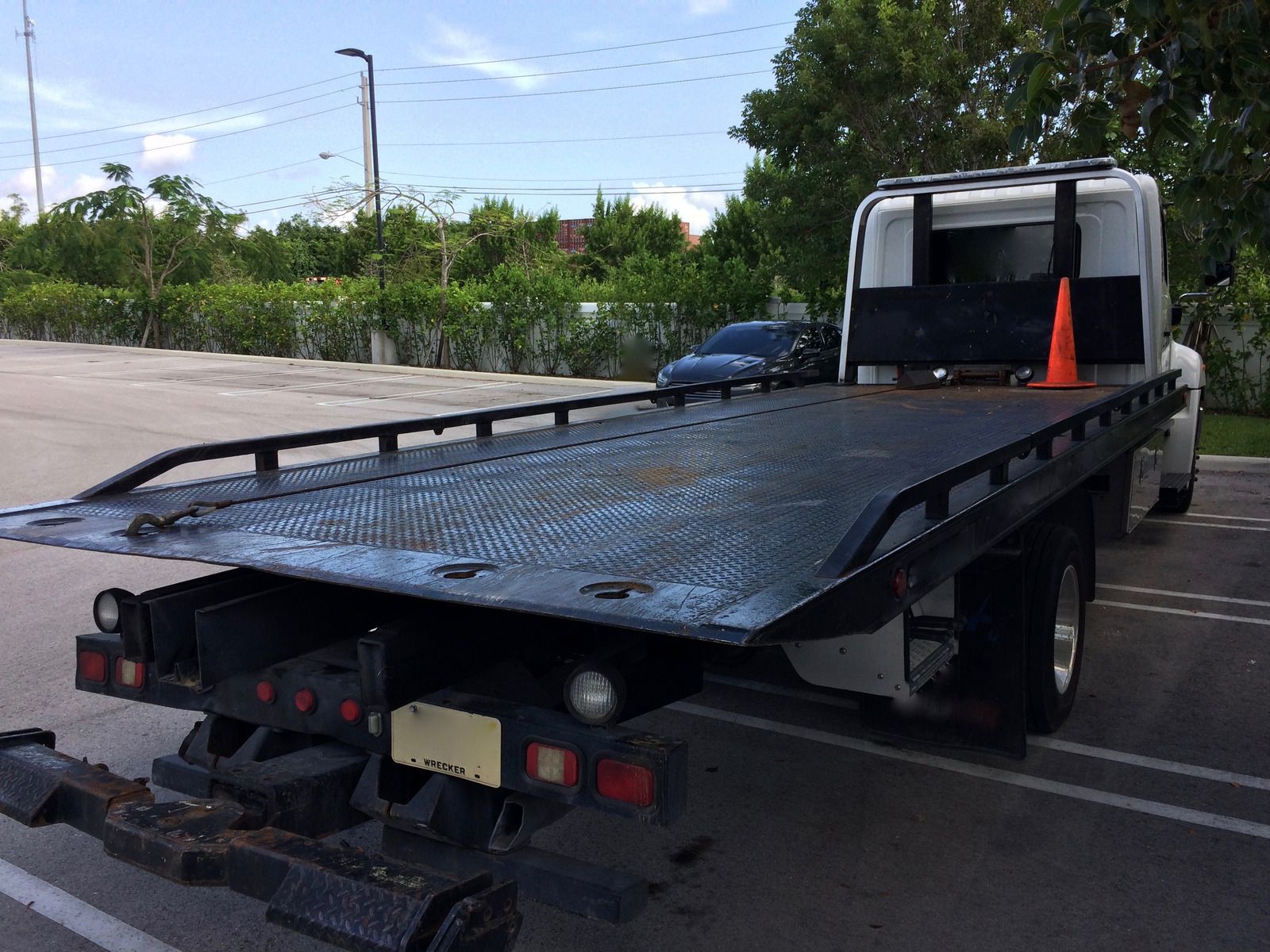
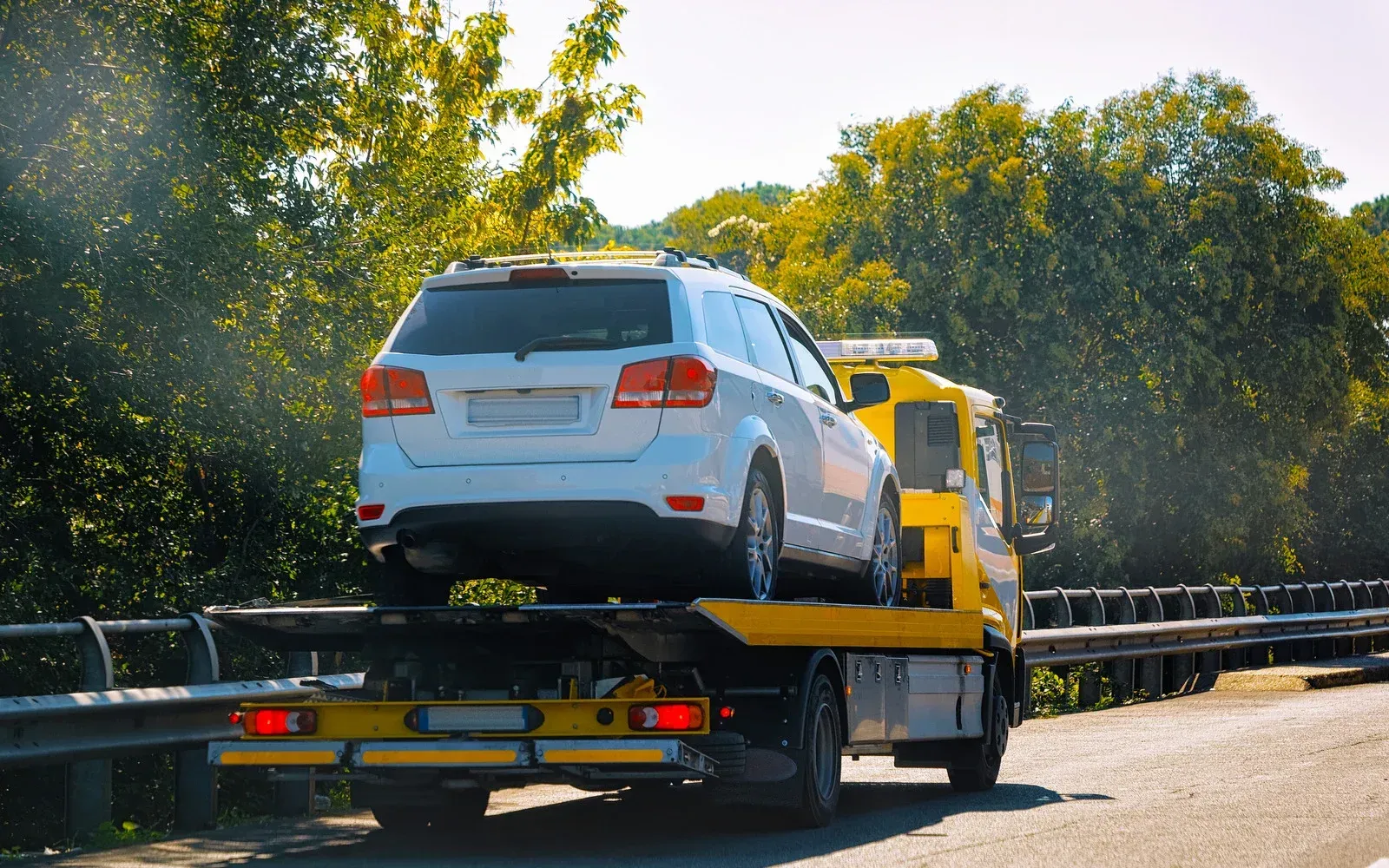
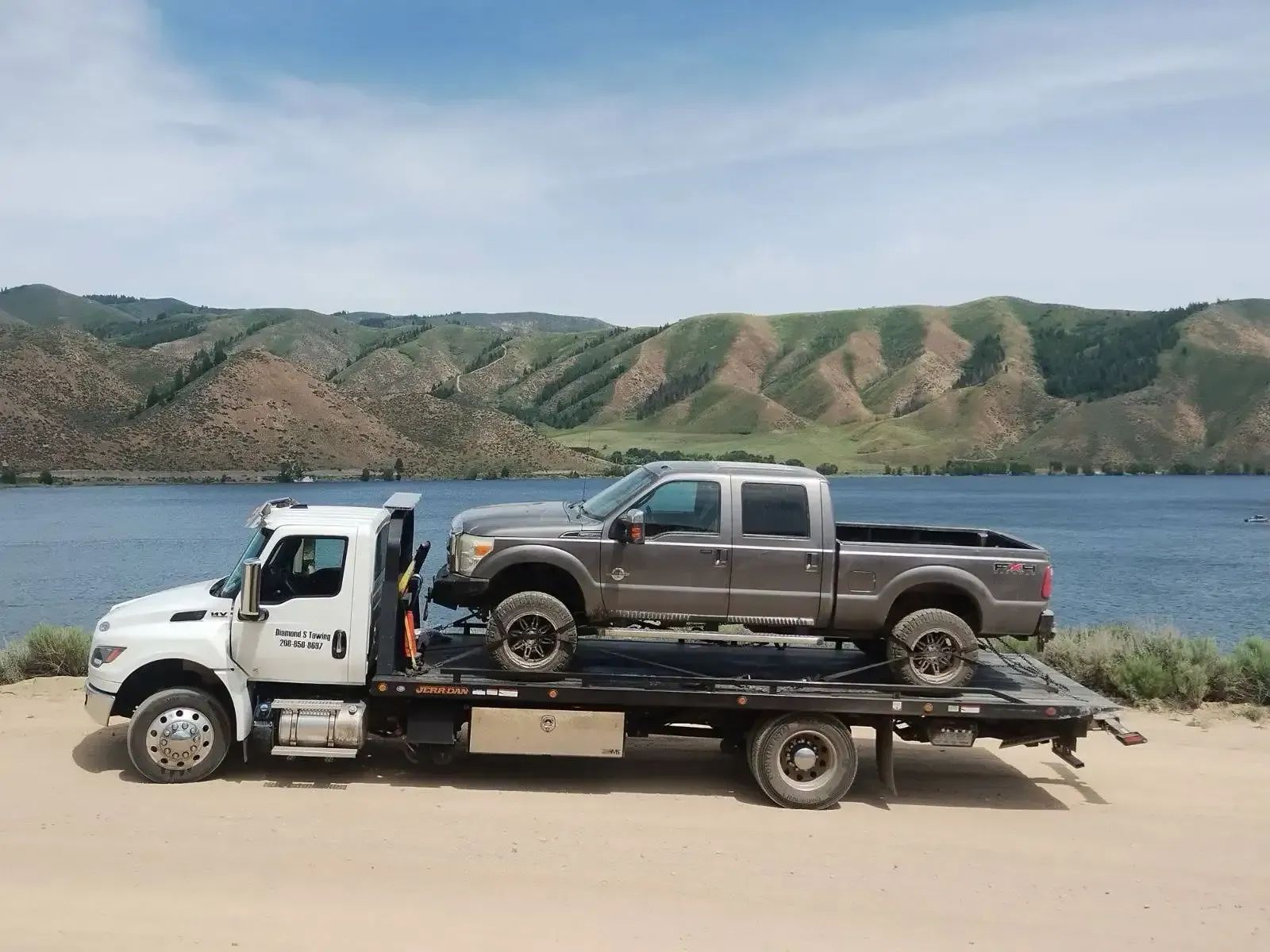
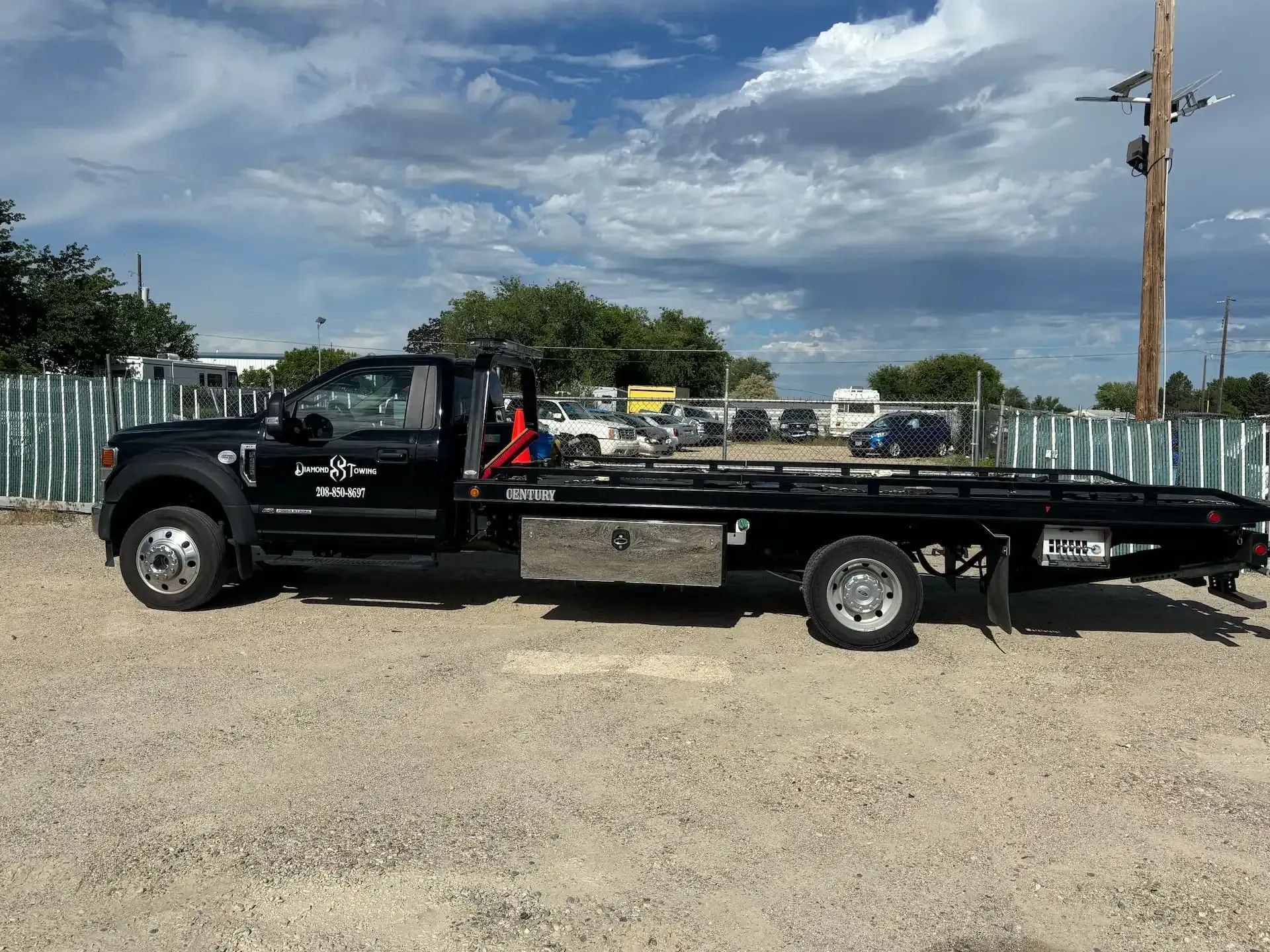
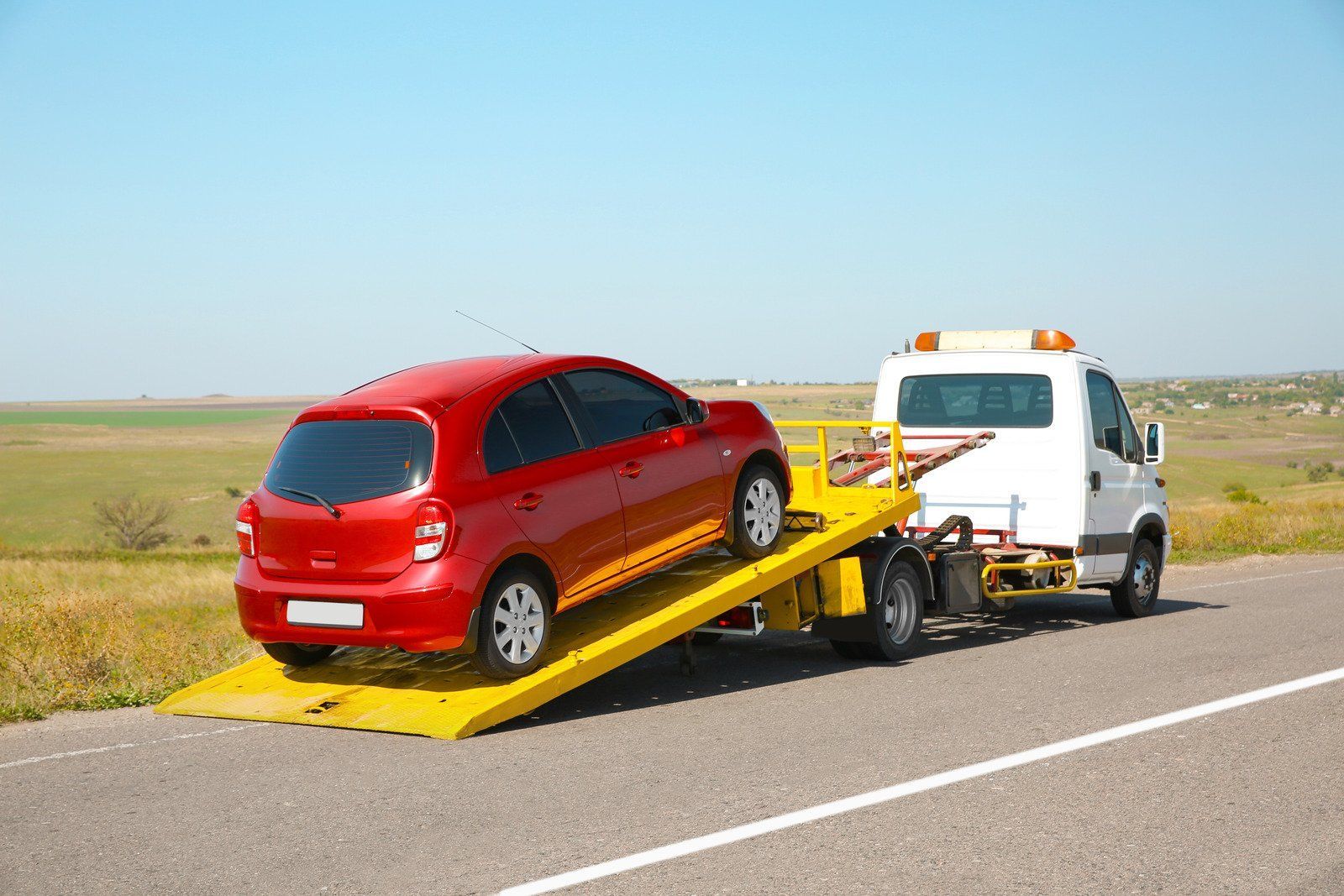
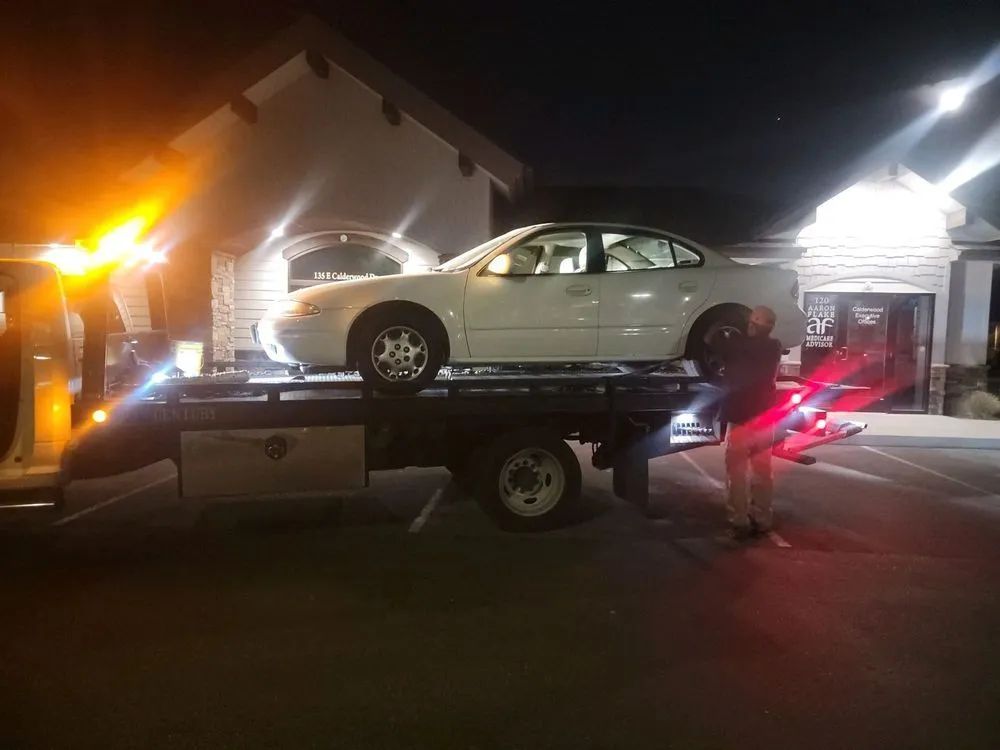
This is exactly the kind of decision a professional operator is trained to make correctly and a driver renting equipment at a truck stop usually isn't. When flatbed capacity is available, it removes the guesswork by keeping every wheel off the road entirely, which is why it's the default recommendation from towing professionals and roadside organizations alike for AWD and 4WD vehicles, regardless of how confident anyone feels about the dolly alternative.
What to Tell the Tow Operator When You Call
A few pieces of information make it far more likely the right truck shows up on the first trip instead of a second one getting dispatched after the first can't safely load your vehicle.
- Say whether your vehicle is AWD, 4WD, or standard. If you're not sure, give the year, make, and model — that's usually enough for a dispatcher to confirm it.
- Mention if a 4WD system is currently engaged (in 4H or 4L) rather than sitting in its default 2WD mode, if you know.
- Note the terrain, especially if the vehicle is stuck in mud, snow, sand, or off a gravel road, since that can change the recovery equipment needed before towing even begins.
- Give the distance, whether it's a few miles across town or a longer haul toward another city, since that affects which method makes sense even when more than one is technically possible.
None of this requires you to know your transfer case from your differential. It just means giving the person dispatching your truck enough to work with so they can send equipment built for your specific vehicle instead of whatever happens to be closest.
Frequently Asked Questions
Can my AWD vehicle be towed with two wheels on the ground?
Generally, no. Most AWD systems keep all four wheels mechanically tied to the drivetrain, so lifting two forces the rest to turn unlubricated. Flatbed towing keeps every wheel off the road, avoiding that risk.
Does it matter if my 4WD truck is currently in 2WD mode?
Yes. A part-time 4WD vehicle left in default 2WD mode often tows like a standard rear-wheel-drive vehicle if the driven wheels are lifted. In 4H or 4L, treat it as full 4WD instead.
What is a neutral tow mode, and does my vehicle have one?
It's a manufacturer setting on some AWD and 4WD vehicles that disconnects the drivetrain enough for safe towing with all four wheels down. Not every model has it, so check your owner's manual first.
Can a tow dolly be used on an AWD or 4WD vehicle?
Sometimes, but only if the grounded wheels are truly disconnected from the drivetrain, through a driveshaft disconnect or a verified neutral transfer case. Get it wrong and a dolly creates the same binding risk.
How do I find out what drivetrain my vehicle has?
Check for a badge on the trunk lid, tailgate, or fender, or look in your owner's manual. If you're unsure when calling for a tow, the year, make, and model is usually enough.
Will towing my AWD vehicle the wrong way show damage right away?
Not necessarily, which is part of what makes it risky. A short improper tow might not trigger a warning light that day. Problems like a whining transfer case often surface days or weeks later.
Know Your Drivetrain Before the Truck Arrives
Most drivers never think about their drivetrain until the day it decides how their vehicle gets towed, and that is fair enough. What matters is knowing enough to mention it on the call, whether that means naming the drivetrain outright or simply giving the year, make, and model. The rest becomes the operator's job: reading the badge, checking the mode, and choosing the method built around what is actually connected to what underneath, long before trouble ever starts on the road.
Diamond S Towing & Recovery
has spent 20
years learning these distinctions across Boise and Nampa, ID, where
AWD wagons and 4WD trucks
share the same roads every winter and weekend. That experience means operators already know which questions to ask before a hook goes near your bumper. A drivetrain respected from the first phone call rarely turns into a transfer case problem weeks later, and that is really the whole point of getting it right the first time.