
Dead Battery in the Cold? How a Jump Start Actually Works
Quick Answer: A jump start feeds your dead battery enough outside power to turn the starter and fire the engine, usually from another vehicle's battery or a portable jump box. Once the engine runs, the alternator takes back over and recharges the battery. Cold is the usual trigger for a no-start morning, since a battery loses about 35 percent of its strength at 32°F and roughly 60 percent at 0°F, right when thick, cold oil is asking the engine for more power. A jump gets you moving again, but it doesn't fix why the battery quit. If the battery is old, drained flat, or failing, it may not hold the charge, and the car can die again within minutes. That's when battery testing, and sometimes a tow to a shop, matters more than another jump.
You walk out to a frosted windshield in Boise, drop into the seat, turn the key, and get a click. Maybe the dash lights flicker and fade. Maybe the radio comes on but the engine won't turn over. You're already late, it's 20 degrees, and the car that ran fine yesterday is now a very heavy paperweight in the driveway.
Nine times out of ten in winter, that's the battery. And nine times out of ten, a jump start will get you rolling again. But knowing what's actually happening under the hood, and why a jump sometimes doesn't take, changes how you handle the next hour. It's the difference between a five-minute fix and getting stranded twice in the same day.
Why Your Battery Picks the Coldest Morning to Quit
Cold is hard on a car battery in two ways at once, and that's the trap.
A battery makes power through a chemical reaction inside it. Drop the temperature and that reaction slows right down. At freezing, 32°F, a typical car battery loses about 35 percent of its cranking strength. Push it down to 0°F, the kind of morning the Treasure Valley sees in January and McCall sees far more often, and it loses roughly 60 percent. The battery didn't break overnight. It just got weak at the exact wrong time.
Now the other half. Cold thickens the oil in your engine, so the starter has to work harder to turn everything over. Your engine is asking for more power on the same morning your battery has less to give. A battery that was quietly fading in October, still strong enough to start a warm engine, finally comes up short the first time it's asked to crank a cold one. That's why so many "sudden" dead batteries aren't sudden at all. They were already tired.
Age is the quiet factor. Most car batteries last three to five years. If yours is past that window, cold weather is simply the thing that exposes it. A battery in its fourth or fifth winter can test fine in the afternoon and still fail at 6 a.m.
Short trips make it worse. If your daily drive is a few minutes to work or a quick run across Nampa, the alternator never gets enough time to fully recharge the battery between starts. Stack short trips on top of cold nights, maybe a dome light left on or a phone charging overnight, and a marginal battery gives up.
What a Jump Start Actually Does Under the Hood
A jump start sounds simple, and the idea behind it is. Your battery has one job at the moment you turn the key: send a big jolt of current to the starter motor, which spins the engine fast enough to catch and run. A dead battery can't deliver that jolt. So you borrow it.
The jump connects your dead battery to an outside power source, either a running vehicle's healthy battery through cables or a portable jump box. That outside power flows in and gives the starter the current it couldn't get on its own. The engine turns over, fuel and spark do their part, and it fires. From that second on, your alternator takes over. It powers the car and pushes charge back into the battery as you drive.
Here's the part people miss. A jump start doesn't repair or recharge your battery on the spot. It's a bridge. It borrows enough power for one start, and then your own charging system is supposed to carry the load. If your battery can still hold a charge, a good drive afterward tops it back up and you're fine. If it can't hold a charge anymore, you've only bought yourself a few minutes.
Order and connection matter. A jump done wrong, wrong cable order, a loose clamp, the wrong contact point, can throw a spark near battery gases or send a surge through sensitive electronics. Modern cars are packed with control modules that don't love voltage spikes. Done correctly, a jump is safe and routine. Done carelessly, it can turn a dead battery into a dead battery plus a fried component.
TIP: Before you assume the whole battery is dead, look at the terminals. If you see a crusty, ashy buildup around the posts, that corrosion can block the connection enough to mimic a dead battery. Cleaning it sometimes restores contact. If the posts are clean and the car still won't crank, the battery or charging system is the more likely culprit.
Why a DIY Jump Doesn't Always Take
Plenty of dead batteries come back with a set of cables and a friendly neighbor. But a jump that fails, or a car that dies again a mile down the road, is telling you something.
If the battery is drained completely flat, or it's simply worn out, it may not accept and hold a charge no matter how clean the jump is. You'll get a start, then it fades. If the alternator is the real problem, the battery was never the villain to begin with. The car runs while it's borrowing power, then stalls once it's back on its own because nothing is recharging it. A worn starter, corroded connections, or a fuel issue can all masquerade as a battery on a cold morning too.
This is where trying the same jump over and over stops helping. Repeated hard attempts to crank a stubborn engine can drain a donor battery, overheat a starter, and leave you with two vehicles that won't move instead of one. If a clean jump doesn't hold after a solid try, the smarter move is to stop and get the battery tested rather than keep forcing it.
WARNING: A car battery gives off hydrogen gas, which is flammable, and the acid inside can burn skin and eyes. Never lean directly over a battery while connecting cables, keep any spark or cigarette away from it, and don't attempt a jump on a battery that looks cracked, swollen, or is leaking fluid. If the case is visibly bulging or you smell a rotten-egg odor, skip the jump entirely and call for help. A damaged battery is one of the few roadside problems where the right move is to not touch it.
More Than a Jump: Testing and Knowing When the Battery Is Done
A jump gets the engine running. It doesn't answer the real question: will this battery leave you stranded again tomorrow? That's why battery testing matters as much as the jump itself.
A quick test reads whether your battery can still hold and deliver a charge, or whether it's reached the end. It's a small check that saves you from a repeat no-start in a grocery store parking lot after dark. If the battery tests healthy and the jump holds, a good drive gets you back to normal. If it tests weak, you at least know a replacement is coming before it strands you somewhere worse than your own driveway.
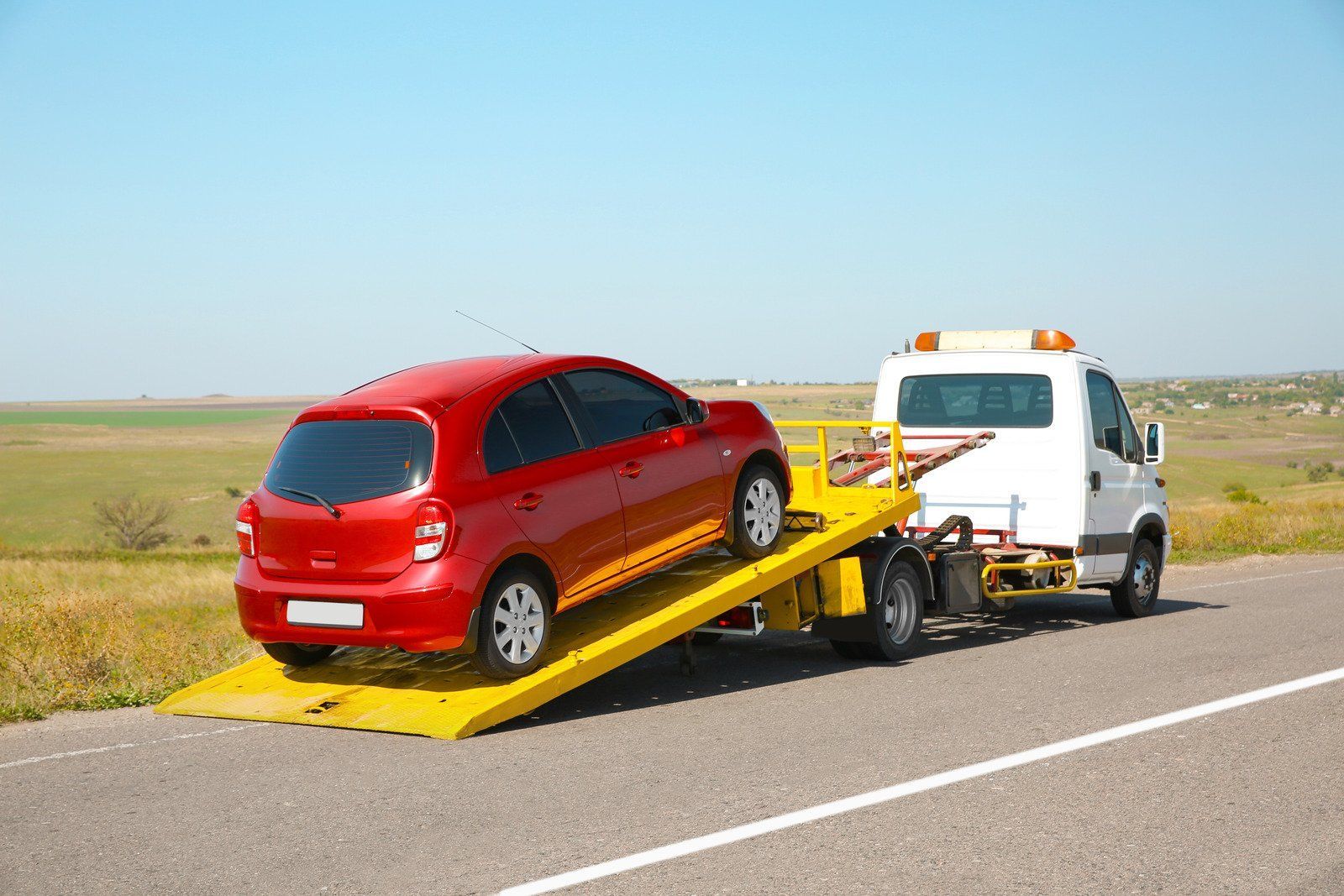
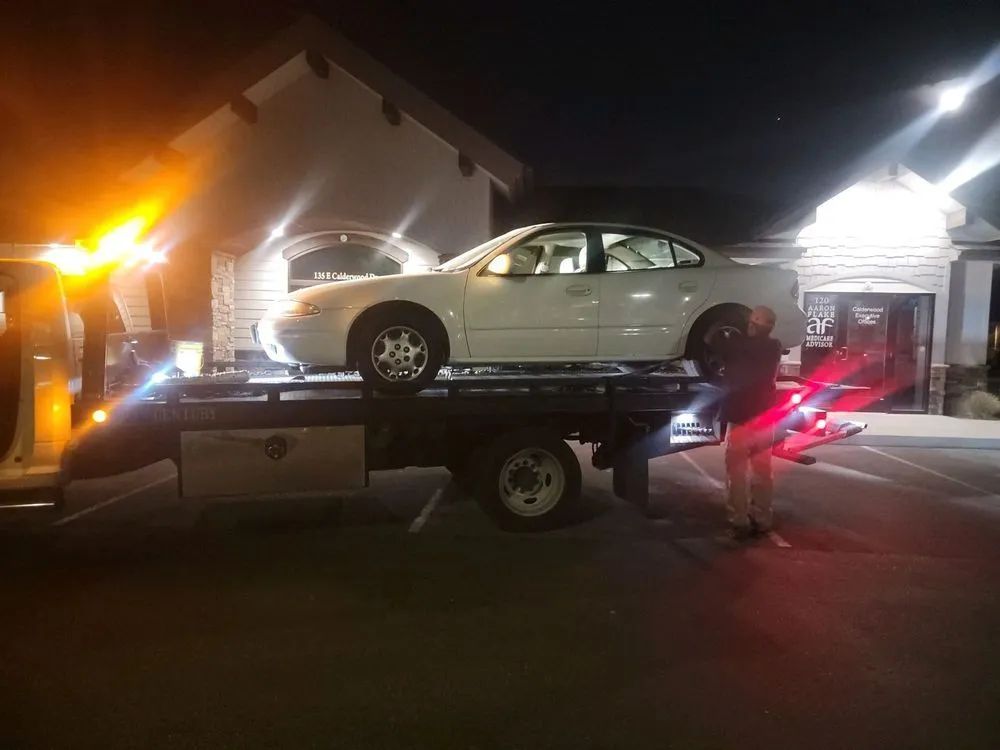
Sometimes a jump just isn't the answer. A battery drained past the point of recovery, or one that's cracked or failing, won't come back with cables. In that case the vehicle needs a tow to a shop rather than another attempt in the cold. The same goes when the trouble turns out to be the alternator or starter, since no jump fixes a charging system that isn't charging.
Bigger vehicles, different needs. A jump box that revives a compact sedan may not have the punch for a diesel pickup, a loaded work truck, or a heavy SUV, especially in deep cold. Larger engines and dual-battery setups pull more current to crank, which is why the right equipment for the vehicle matters. A jump that stalls out on a big truck isn't always a dead battery. Sometimes it's just too small a boost for too big a job.
Frequently Asked Questions
How does a jump start actually get my car running again?
It feeds your dead battery current from an outside source, another vehicle or a jump box, to spin the starter and fire the engine. Once running, your alternator recharges the battery as you drive; the jump only covers that first start.
Why did my battery die in the cold when it worked fine yesterday?
Cold slows the chemical reaction inside a battery, cutting power roughly 35 percent at freezing and 60 percent near zero, while cold oil makes the engine harder to turn. A battery already aging handles a warm start but fails on a truly cold morning.
My car started after a jump but died again. What does that mean?
A jump that doesn't hold usually points past the battery, to one too worn to keep a charge or an alternator not recharging it while you drive. Corroded connections or a tired starter can cause it too, and the car needs testing.
Is jump-starting safe for my car's electronics?
Done correctly, yes, and it's routine. The risk comes from wrong cable order, loose clamps, or a bad contact point, which can spark near battery gases or send a surge into sensitive control modules. Proper equipment keeps a jump safe for modern systems.
How long does a jump start last before the battery dies again?
It depends entirely on why the battery quit. A still-good battery that got drained recharges fully on a solid drive. An old or failing battery, or a bad alternator, can fade again within minutes. A jump is a temporary bridge, not a repair.
Can you jump-start a car in freezing weather, or is it too cold?
Yes. Cold makes batteries weaker and engines harder to turn, but a jump still works in freezing temperatures with the right equipment. The real question is whether the battery holds afterward, since a very old or drained one may need replacing instead.
Getting Back on the Road Instead of Stranded Twice
A dead battery on a cold Idaho morning feels like the day falling apart before it starts. Most of the time it isn't. A jump start borrows the power your battery can't produce, the engine catches, and your charging system takes it from there. The trick is knowing when a jump is the whole fix and when it's only the first five minutes of a longer problem.
If the battery holds after a good drive, you got lucky and the cold just caught a tired battery on a rough morning. If it fades, dies again, or the car never turns over at all, that's the signal to test the battery and figure out whether it's the battery, the alternator, or something else, before you're stuck in a worse spot than your own driveway.
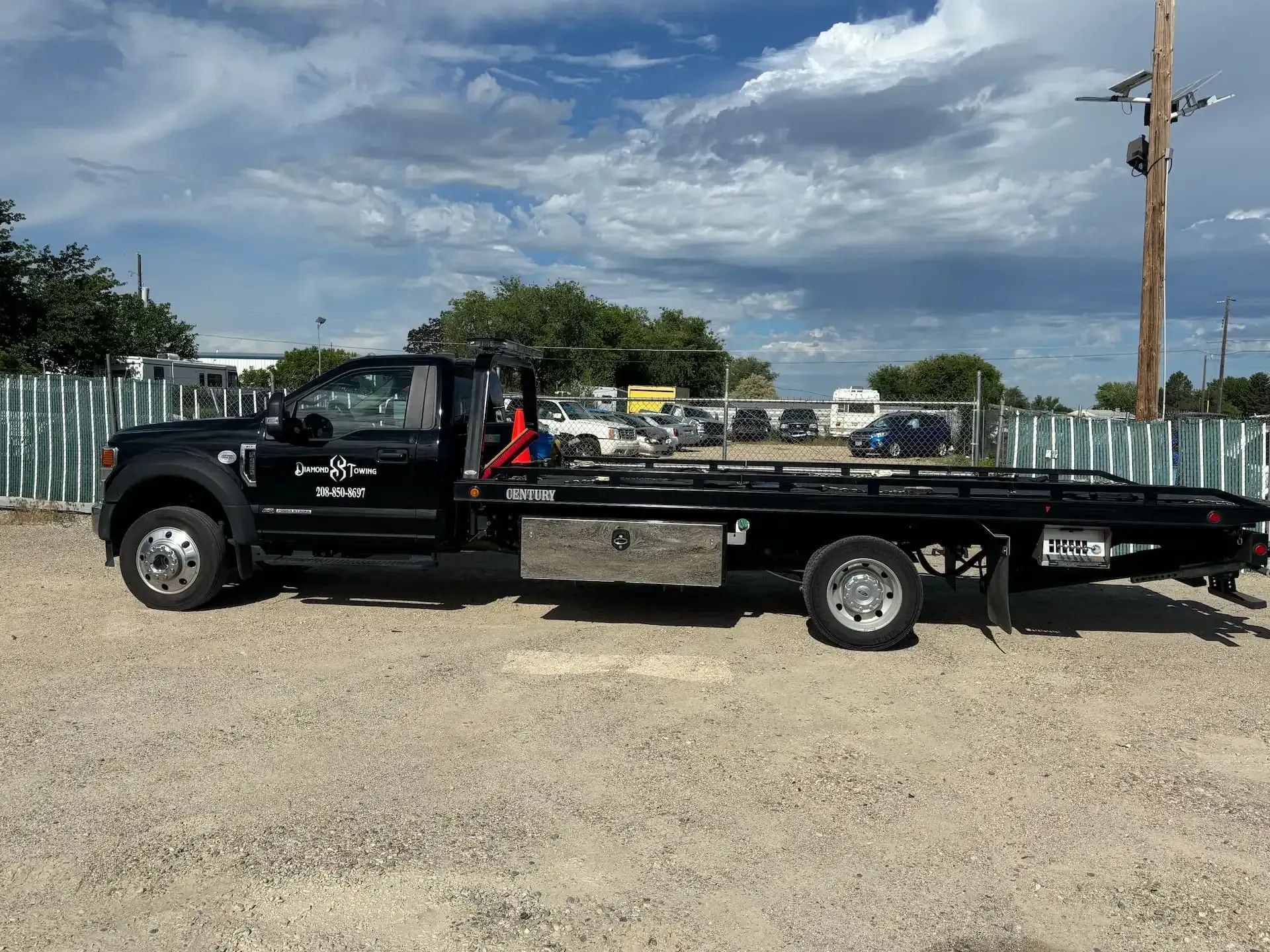
When your battery quits and you're staring at a no-start on a frozen morning anywhere from Boise to Nampa or up toward McCall, a fast, correctly done jump is what gets you moving again without risking your car's electronics. Diamond S Towing & Recovery, serving Boise & Nampa, Idaho, has spent 20
years handling exactly these calls across the region, available with battery testing on the spot,
jump starts
for everything from compact cars to heavy trucks, and a tow to the shop ready if the battery turns out to be beyond saving, all with the same careful, customer-first approach. Reach out to Diamond S Towing & Recovery
anytime the key clicks and nothing happens, day or night, and get back on the road the right way.