
When Should You Call a Tow Truck Instead of Driving?
Driving is an essential part of daily life, offering convenience and independence. However, vehicles are mechanical systems that occasionally fail, sometimes in ways that make driving unsafe or impossible. Recognizing when a car can no longer be driven safely is a critical skill for any driver. Misjudging the situation can lead to further damage, higher repair costs, or even dangerous accidents. Understanding the signs that warrant professional towing services ensures safety, reduces financial risk, and prevents stressful roadside emergencies.
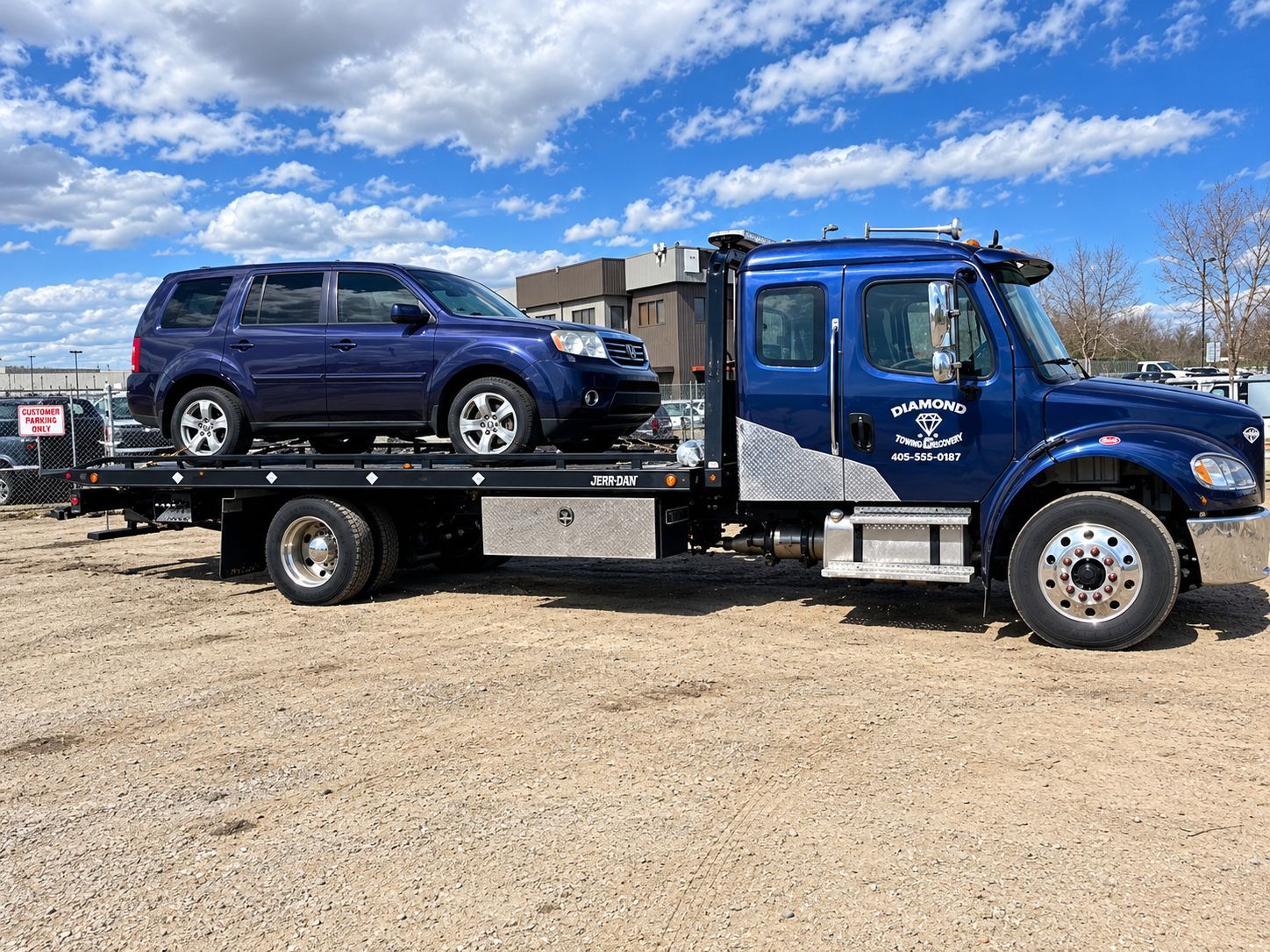
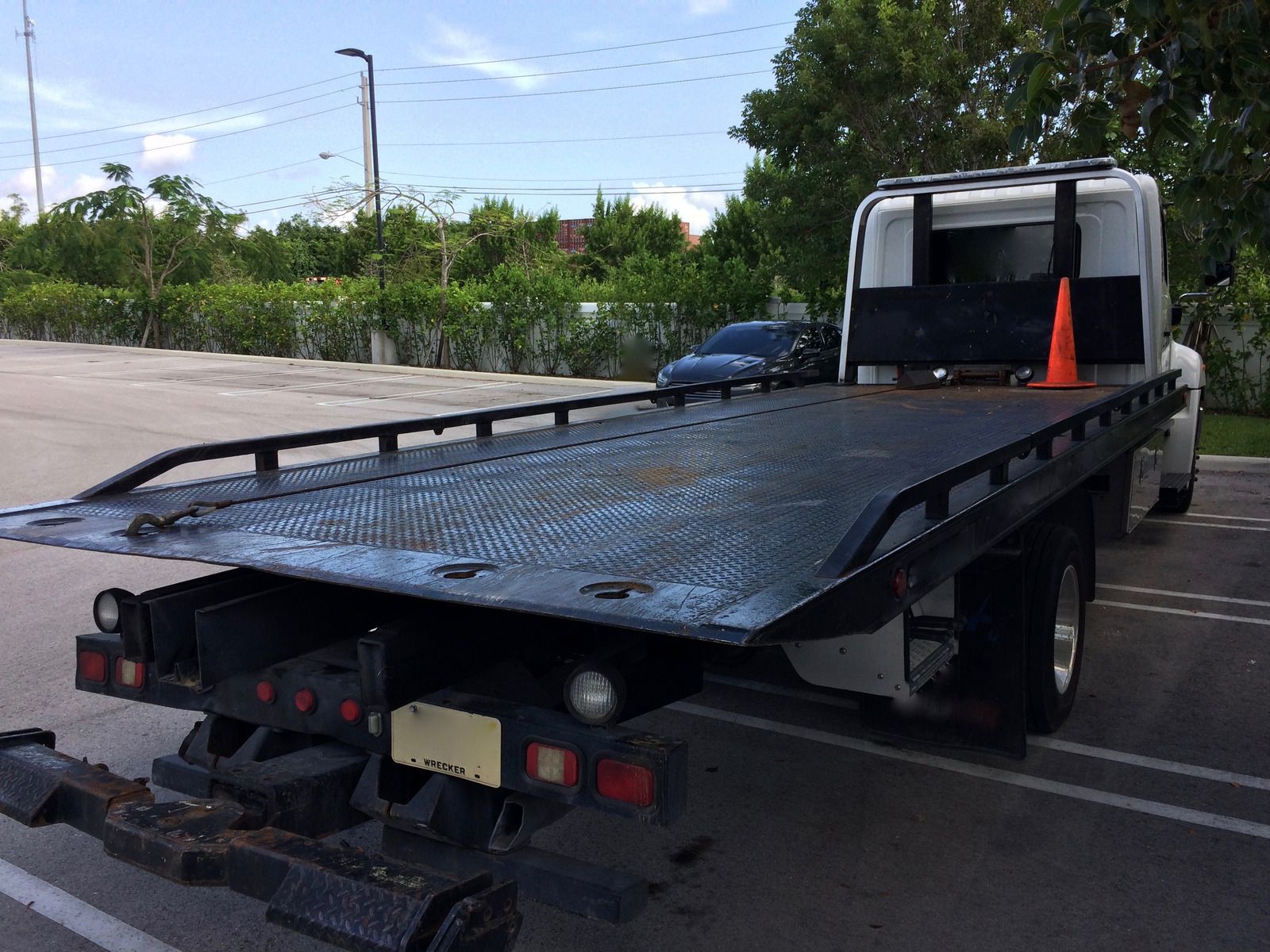
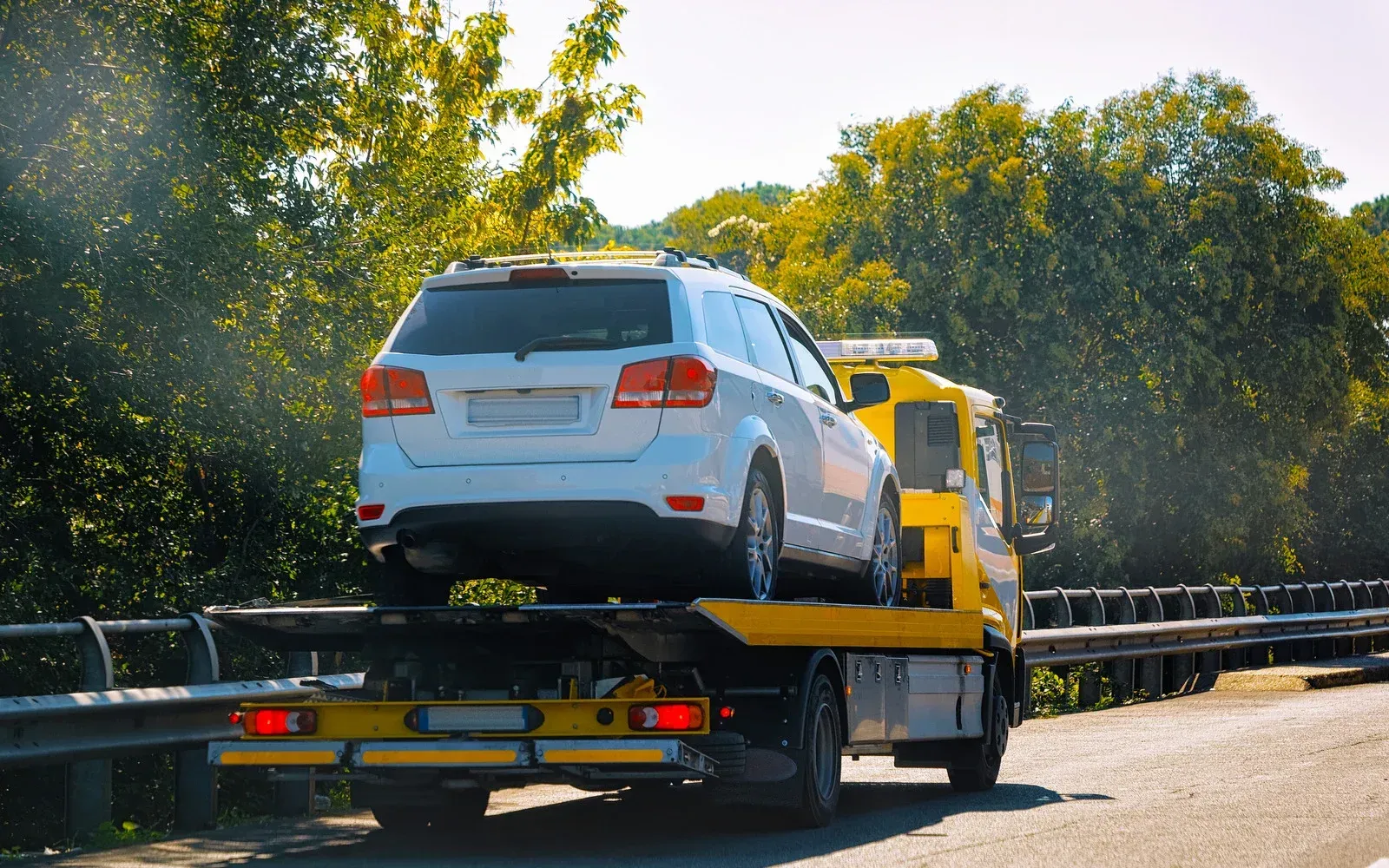
Tow trucks are not only for major breakdowns; they provide a practical solution in a variety of scenarios. From sudden engine failures and transmission problems to tire blowouts and accident-related damages, knowing when to call for help can save time and prevent escalation. Professional towing services offer rapid, secure transport of vehicles to repair facilities without risking additional damage. This knowledge is especially relevant in regions with long commutes, unpredictable weather, or high traffic volumes, where roadside incidents can quickly become hazardous. By understanding the circumstances in which a tow is preferable to driving, drivers can protect both themselves and their vehicles, making informed decisions during potentially stressful situations.
1. Mechanical Failures That Require a Tow
Engine and Transmission Issues
Certain mechanical failures make driving unsafe or impossible, requiring immediate attention. Engine troubles, including stalling, overheating, or sudden power loss, can worsen if a vehicle continues to operate. Transmission issues, such as slipping gears, grinding noises, or failure to shift, can lead to costly repairs. Using a tow prevents further damage and ensures safe transport to a repair facility.
Brake System Failures
Brake issues are among the most critical emergencies on the road. Symptoms like spongy pedals, grinding noises, or total brake failure require stopping immediately. Driving with compromised brakes endangers the driver, passengers, and other road users. A tow truck transports the vehicle safely to a service center, preventing accidents and ensuring repairs are addressed without further risk or damage.
Electrical System Malfunctions
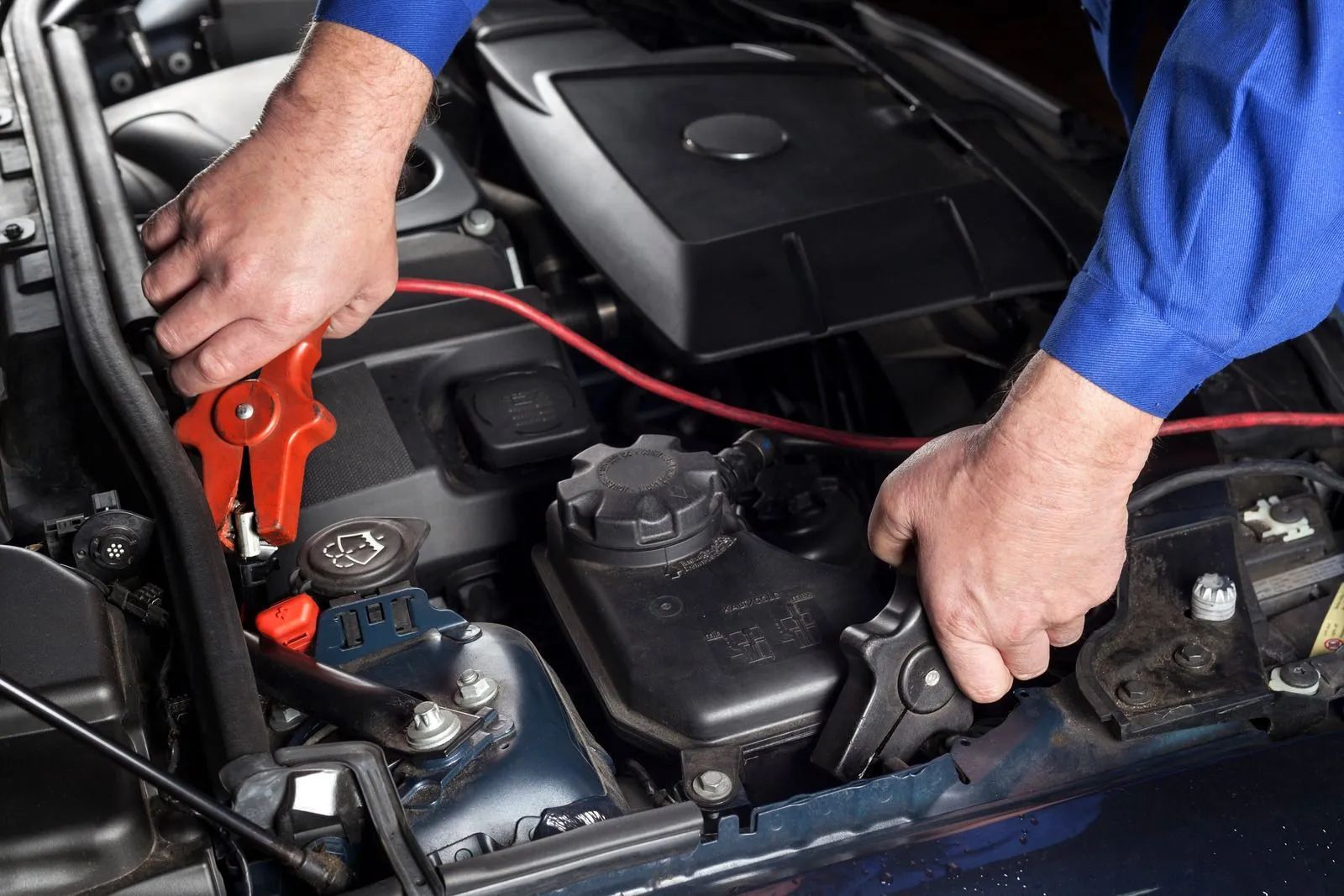
Modern vehicles rely heavily on electrical systems for ignition, lighting, and fuel management. Sudden electrical failures can prevent the vehicle from starting or disable critical signals and lights. Attempting to drive under these conditions increases accident risk and may worsen the problem. Calling a tow ensures the vehicle reaches a repair shop safely without causing additional mechanical or electrical damage.
2. Tire and Wheel Emergencies
Flat Tires or Blowouts
A flat tire may sometimes be addressed with a spare, but many vehicles lack compatible spares or tools. Tire blowouts, particularly at high speeds, are extremely dangerous and may cause loss of control. Towing removes this risk entirely, ensuring the vehicle reaches a professional repair shop safely. This approach prevents roadside hazards and protects both passengers and the vehicle.
Damaged Rims or Suspension
Hitting potholes or road debris can bend rims or damage suspension components. Driving on compromised wheels may lead to misalignment, uneven tire wear, or more extensive suspension problems. Using professional towing services prevents escalating repair costs and avoids worsening vehicle damage. This ensures the vehicle remains structurally sound while being transported safely to a qualified repair facility.
Multiple Tire Issues
Vehicles experiencing multiple tire problems, such as severe tread wear or several flats, should not be driven. Continuing to drive under these conditions risks further damage to tires, wheels, and suspension. Calling a tow truck ensures the vehicle is safely transported, reduces the likelihood of accidents, and provides a controlled, secure environment to address all tire-related issues efficiently.
3. Accidents and Collision Damage
Minor Collisions
Even minor fender-benders may render a vehicle unsafe to drive. Damage such as misaligned frames, leaking fluids, or broken lights may not be immediately obvious but can pose serious hazards. Towing ensures the vehicle reaches a service center for a thorough inspection, preventing further damage. This approach maintains driver safety while addressing potential risks from hidden or overlooked damages.
Major Accidents
Vehicles involved in major collisions often suffer structural damage, fluid leaks, or compromised braking and steering. Attempting to drive under these conditions is extremely unsafe and may lead to further accidents. Tow trucks provide a controlled, secure method to transport damaged vehicles safely to repair facilities. This ensures both driver and passenger safety while avoiding additional costs or risks.
Debris and Obstructions
Post-accident roadways often contain debris or fallen vehicle parts, creating dangerous driving conditions. Attempting to maneuver a vehicle through such hazards can exacerbate damage and endanger others. Calling a tow truck allows for safe removal from obstructed roads. Professional towing ensures that vehicles are relocated securely, protecting structural integrity and maintaining the safety of everyone in the surrounding area.
4. Fuel and Engine-Related Emergencies
Running Out of Fuel
Running out of fuel is a common, preventable roadside emergency. Pushing or coasting without fuel can damage the fuel pump and create traffic hazards. Tow services provide prompt assistance, delivering fuel or transporting the vehicle safely to a service station. This approach prevents mechanical stress, avoids roadside accidents, and ensures the vehicle remains operational while reducing potential repair costs.
Overheating
Engine overheating can occur from coolant leaks, radiator failure, or prolonged heavy use. Driving while the engine is overheated risks warping internal components and creating costly repairs. Tow services transport the vehicle safely, preventing further damage while ensuring timely repair. Prompt action in these situations preserves engine integrity, reduces repair expenses, and keeps the vehicle ready for safe, reliable operation.
Oil or Fluid Leaks
Leaks from oil, transmission, or power steering systems indicate serious mechanical issues. Driving under these conditions may result in engine seizure, brake failure, or other major failures. Using a tow truck ensures the vehicle is relocated safely, avoiding further damage. Prompt professional transport allows repair technicians to address the underlying problem efficiently while maintaining vehicle safety and functionality.
5. Weather and Road Conditions
Icy or Slippery Roads
Winter weather, including ice and snow, creates hazardous driving conditions. Slippery roads, combined with insufficient tires or worn brakes, significantly increase accident risk. Using towing services eliminates the danger of losing control or becoming stranded. Professional transport ensures safe relocation of vehicles, maintaining safety for drivers and passengers while avoiding further mechanical stress caused by attempting to navigate dangerous, icy conditions.
Flooded or Water-Logged Areas
Driving through waterlogged or flooded roads can cause severe engine and electrical damage. Water entering a vehicle’s systems often results in irreparable mechanical issues. Tow services provide a safe, controlled method to relocate vehicles during flooding or heavy rain. Professional towing prevents costly damage, avoids getting stranded in hazardous conditions, and protects both the vehicle and driver from unnecessary risk.
Remote Locations
Vehicles stranded in remote or isolated areas present unique safety challenges, including lack of immediate help or exposure to elements. Attempting to drive in these situations can exacerbate mechanical issues and create hazards. Tow services provide secure, rapid recovery, ensuring vehicles reach repair facilities safely. This approach reduces risk, ensures timely service, and safeguards the driver in challenging or isolated environments.
6. Best Practices for Deciding When to Tow
Assess Vehicle Symptoms
Carefully evaluating vehicle performance is critical. Listen for unusual noises, monitor warning lights, and check for leaks or irregular behavior. Even minor issues can indicate serious underlying problems. Opting for towing instead of driving when uncertain reduces risk, prevents additional damage, and allows trained technicians to handle the vehicle safely. This proactive approach preserves vehicle integrity and ensures personal safety.
Consider Safety Over Convenience
Prioritizing safety over convenience is essential in vehicle emergencies. The desire to reach a destination may tempt drivers to continue despite risks. Using a tow truck prevents accidents, protects passengers, and avoids compounding mechanical problems. Choosing professional transport ensures vehicles are relocated securely, minimizing damage and providing peace of mind while maintaining a focus on safe resolution of the situation.
Understand Insurance and Roadside Policies
Many insurance policies cover towing in specific circumstances, often reducing financial impact. Roadside assistance programs also provide convenient, safe solutions for vehicle emergencies. Understanding coverage ensures that choosing a tow is cost-effective and fully supported. This knowledge encourages drivers to act decisively in unsafe situations, ensuring prompt, professional transport and avoiding unnecessary risk or expenses while maximizing available resources.
Plan for Preventive Maintenance
Regular inspections and routine maintenance significantly reduce the likelihood of emergency towing situations. Monitoring tire health, fluid levels, brakes, and mechanical systems allows early intervention and prevents roadside breakdowns. Proactive upkeep keeps vehicles in optimal condition, minimizes risks, and provides a reliable, safe driving experience. Preventive maintenance protects both the vehicle and passengers, avoiding the stress and cost of urgent towing services.
Expert Roadside Assistance Services for Safe Transport
Knowing when to call a tow truck instead of attempting to drive is essential for safety, cost savings, and peace of mind. Mechanical failures, tire emergencies, collision damage, fuel or engine issues, and hazardous road conditions all warrant professional towing. Assessing symptoms, prioritizing safety over convenience, and understanding insurance or roadside coverage ensures informed decisions during vehicle emergencies. By taking proactive measures and leveraging professional towing services, drivers minimize the risk of further damage, accidents, or injury, maintaining control and confidence in challenging situations.
At Diamond S Towing & Recovery, Boise & Nampa, Idaho, 20
years of
towing and roadside assistance expertise
ensures every vehicle receives secure and timely transport. Our commitment to safety, efficiency, and professional service provides peace of mind in any roadside scenario. With experience handling everything from minor breakdowns to major accidents, Diamond S Towing & Recovery
is a trusted authority, delivering reliable, expert assistance when it matters most. When circumstances make driving unsafe, calling us ensures vehicles are handled with care, minimizing risk and ensuring swift, professional solutions.