
Light-Duty vs. Medium-Duty Towing: Which One Does Your Vehicle Need?
When a vehicle breaks down or needs transportation, choosing the right towing service is crucial. The towing industry offers a range of services designed to accommodate different vehicle sizes, weights, and purposes. Among the most commonly used categories are light-duty and medium-duty towing. Understanding the distinction between the two can prevent damage to the vehicle, ensure safety, and streamline the towing process. Selecting an inappropriate tow truck could result in higher costs, extended delays, or even mechanical issues for the vehicle being transported. This makes awareness of towing classifications essential for vehicle owners, fleet managers, and operators alike.
Light-duty towing typically handles smaller vehicles such as sedans, compact SUVs, and light pickup trucks, while medium-duty towing is suited for larger vehicles, including full-size SUVs, vans, box trucks, and certain commercial vehicles. Beyond the obvious differences in vehicle size, weight, and towing equipment, each towing type requires specialized knowledge and practices. This blog explores the practical differences between light-duty and medium-duty towing, offering actionable insights to help determine the ideal service for a given situation. By understanding the capabilities, limitations, and applications of each towing category, informed decisions can be made to maintain vehicle safety, reduce costs, and improve overall roadside experience.
Understanding Towing Classifications
What Defines Light-Duty Towing?
Light-duty towing focuses on vehicles that weigh less than 10,000 pounds. This category encompasses everyday cars, motorcycles, small SUVs, and compact pickup trucks. Tow trucks designed for light-duty service often include wheel-lift trucks, flatbeds, and hook-and-chain models. Their equipment is optimized for speed, efficiency, and minimal risk of vehicle damage during transport. Choosing a light-duty tow ensures that a small or mid-sized vehicle is transported safely without excessive wear on the truck or added stress to the vehicle’s frame.
Medium-Duty Towing Defined
Medium-duty towing handles vehicles weighing between 10,001 and 26,000 pounds. This category includes box trucks, larger vans, commercial fleet vehicles, and certain heavy SUVs or utility trucks. Tow trucks in this class often feature advanced lift mechanisms, stronger hydraulics, and reinforced chassis to manage heavier loads. Medium-duty towing is essential when a vehicle exceeds the capabilities of light-duty equipment. Attempting to tow a medium-weight vehicle with a light-duty truck can lead to damage to both the towing vehicle and the towed vehicle.
Key Distinctions
The primary differences between light-duty and medium-duty towing lie in weight capacity, equipment specifications, and application. Light-duty trucks are designed for smaller vehicles and everyday emergencies, while medium-duty trucks handle larger commercial and personal vehicles. Understanding these distinctions allows vehicle owners to select the correct service without risking additional damage or unnecessary costs.
Equipment and Technology Considerations
Tow Truck Types for Light-Duty Services
Light-duty tow trucks come in several configurations, including:
- Wheel-lift trucks: Use a metal yoke to lift one end of the vehicle off the ground, suitable for short-distance towing.
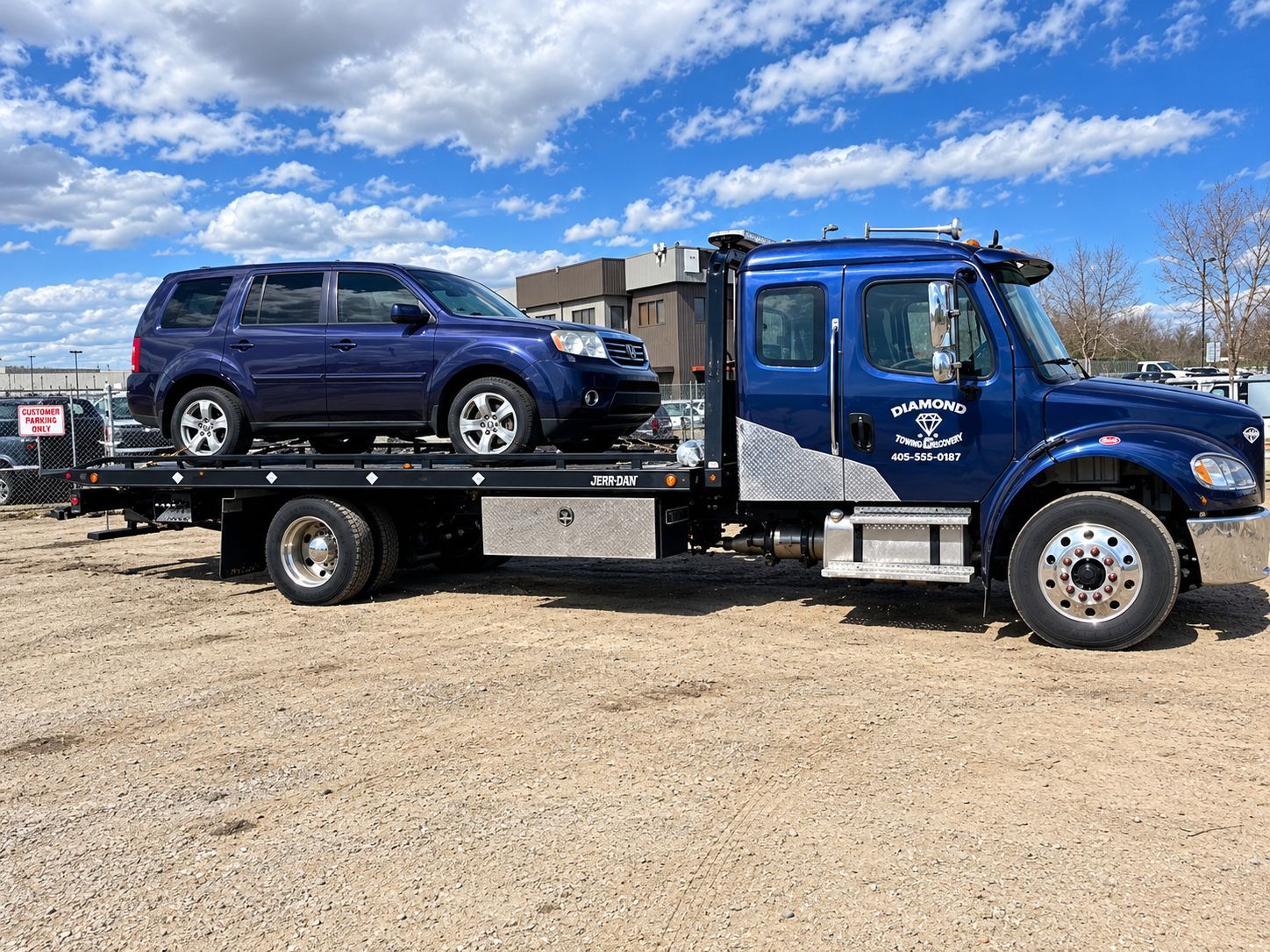
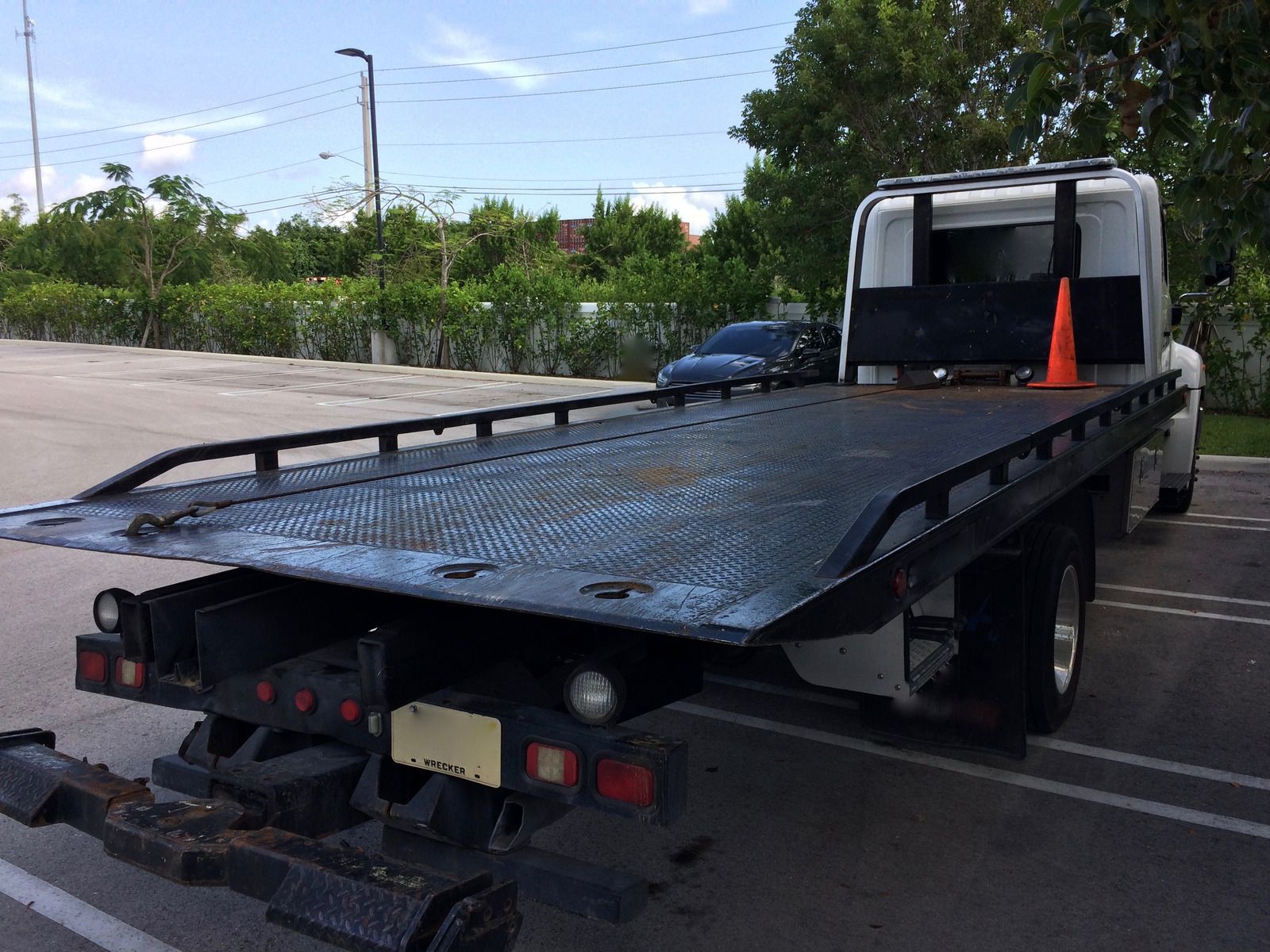
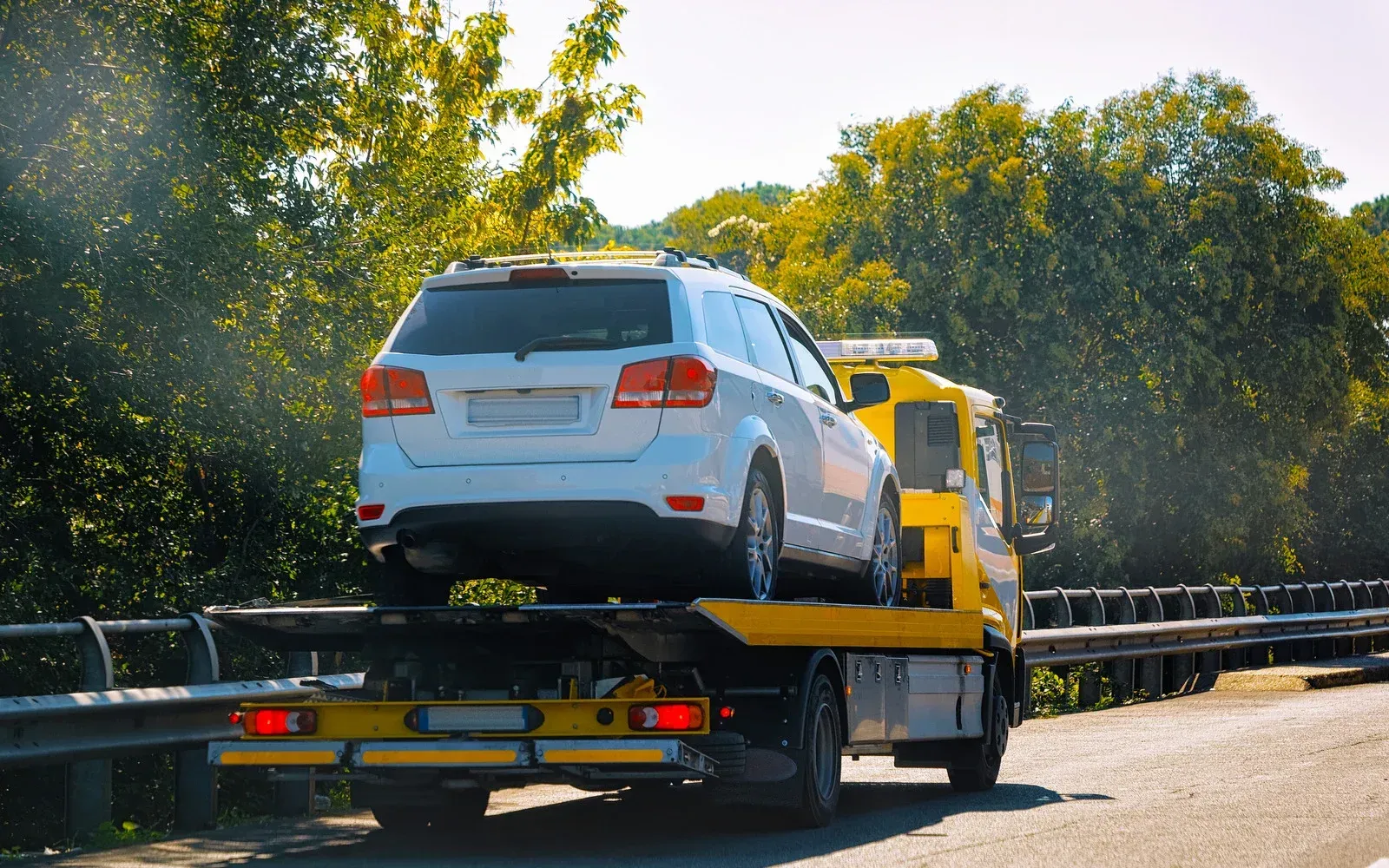
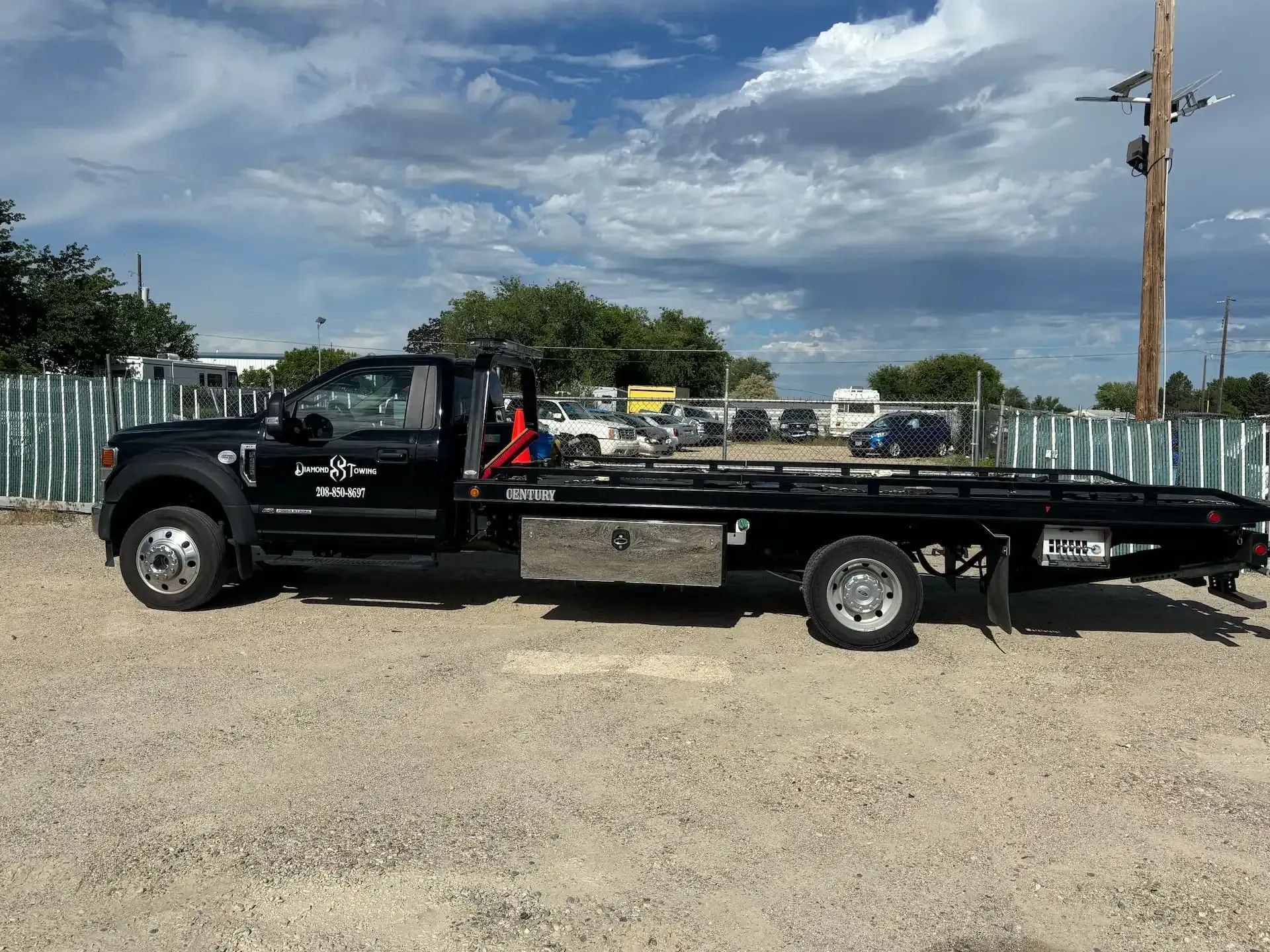
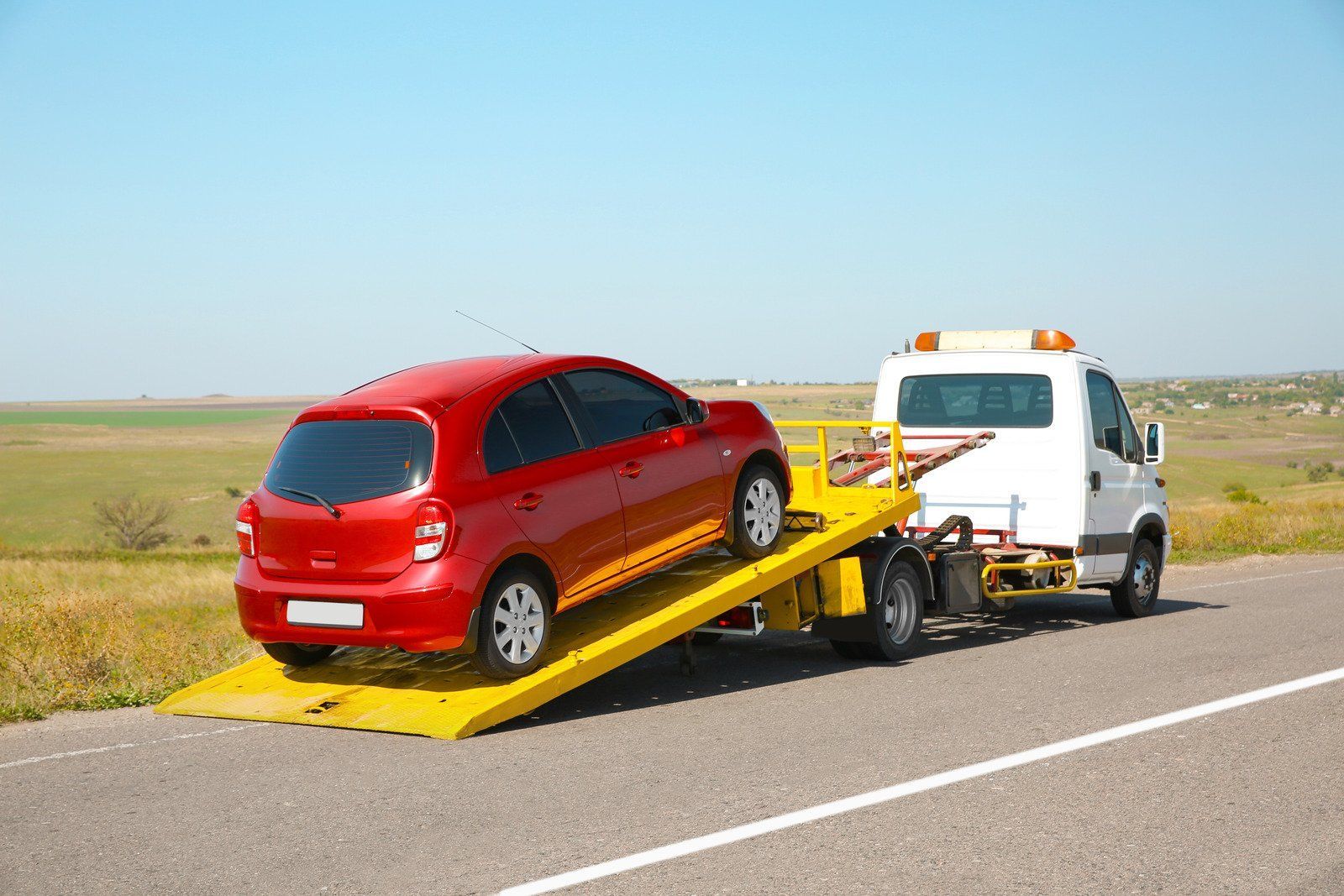
- Flatbed trucks: Provide a full platform to carry vehicles entirely off the ground, minimizing wear and risk of tire or axle damage.
- Hook-and-chain trucks: Older technology, still used for certain situations where other methods may not be feasible.
Each type of light-duty tow truck has advantages depending on the situation. For example, flatbeds are preferred for luxury or high-end vehicles, while wheel-lift trucks may be more efficient for quick roadside responses.
Medium-Duty Tow Truck Features
Medium-duty tow trucks are built to handle heavier, larger vehicles safely. Key features include:
- Hydraulic lifts: Provide the power necessary to raise heavier vehicles efficiently.
- Reinforced flatbeds: Capable of transporting box trucks or fleet vans without structural risk.
- Stabilizing equipment: Ensures safe transport, especially on uneven or inclined surfaces.
The technological difference between light-duty and medium-duty towing is significant. Medium-duty trucks often include auxiliary braking systems, advanced control panels, and specialized rigging attachments to secure commercial or oversized vehicles.
Why Equipment Matters
Using the correct equipment reduces the risk of damage, ensures legal compliance, and improves overall operational efficiency. Incorrect towing methods can result in insurance complications, mechanical stress, or compromised safety for drivers and bystanders. Proper alignment of tow truck type with vehicle weight and size is critical for both emergency and planned transport scenarios.
Real-World Scenarios and Applications
Light-Duty Towing Scenarios
Light-duty towing is most commonly used for:
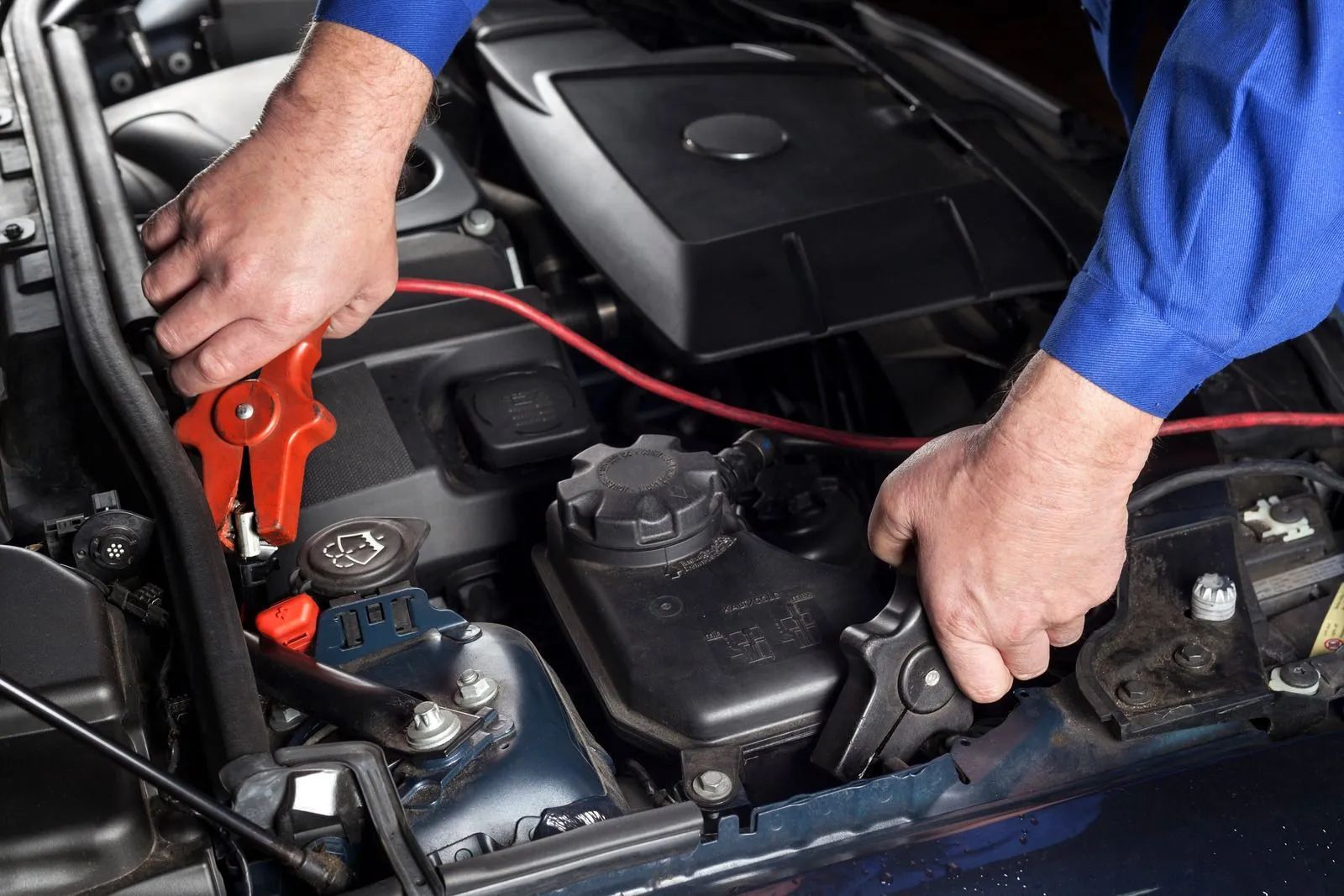
- Roadside breakdowns: Small vehicles with engine, battery, or tire issues can be efficiently transported to a repair shop.
- Minor collisions: Sedans and compact cars involved in fender-benders can be safely moved without further damage.
- Relocation or repossession: Wheel-lift or flatbed trucks can handle vehicles needing relocation for personal or commercial reasons.
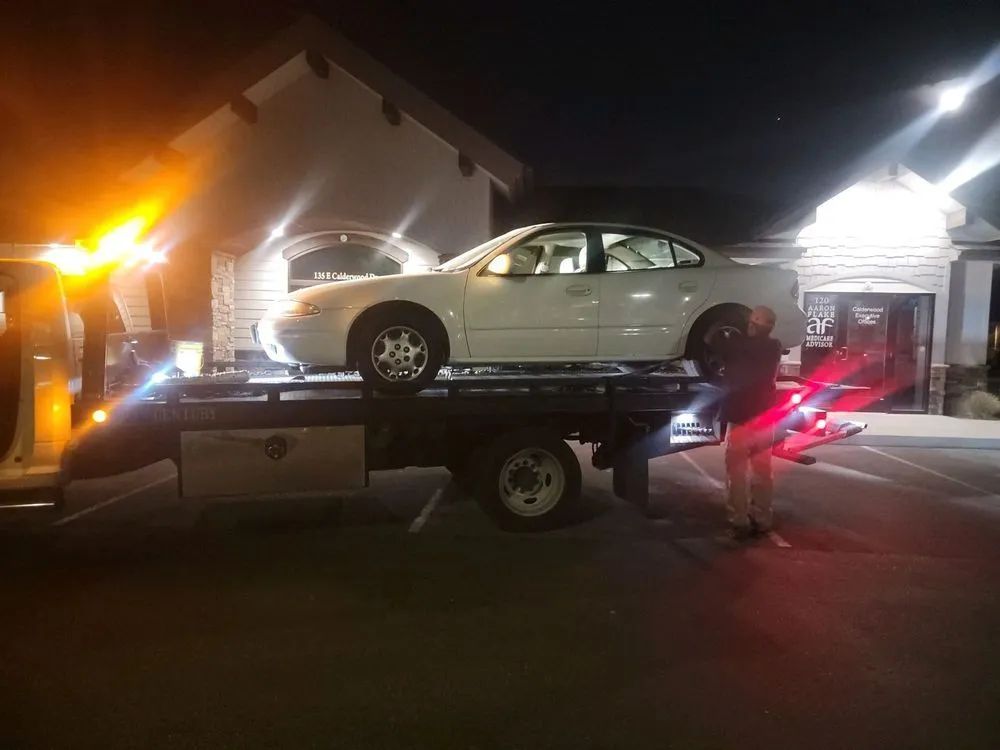
For instance, a compact sedan experiencing a dead battery on a narrow city street benefits from a light-duty flatbed tow. The truck can maneuver easily, lift the vehicle safely, and transport it without affecting other traffic.
Medium-Duty Towing Scenarios
Medium-duty towing is ideal for situations such as:
- Commercial fleet breakdowns: Box trucks or cargo vans experiencing mechanical failure require reinforced towing equipment.
- Large SUV or van recovery: Heavy vehicles that exceed light-duty truck capacity demand medium-duty service.
- Industrial equipment transport: Certain medium-duty tow trucks can handle smaller construction vehicles or utility trucks.
For example, a 15,000-pound delivery van stranded at a warehouse cannot be moved with a standard light-duty tow. A medium-duty truck ensures safe and efficient transport without structural stress or safety risks.
Choosing the Right Service
Assessing the vehicle’s weight, size, and condition is crucial in selecting light-duty versus medium-duty towing. Overloading a tow truck or using improper equipment increases risk, costs, and potential for legal or insurance issues. Consulting a towing professional who understands vehicle classifications and equipment limitations ensures correct service selection.
Benefits and Challenges of Each Towing Type
Advantages of Light-Duty Towing
- Cost-effective: Typically lower rates due to smaller equipment and less fuel consumption.
- Efficient response: Smaller trucks reach tight locations and congested areas quickly.
- Minimal vehicle stress: Properly executed lifts reduce wear on axles, tires, and frames.
Challenges may include weight limitations and restrictions on oversized or commercial vehicles. Light-duty trucks cannot safely transport vehicles beyond their rated capacity, which can lead to complications if misjudged.
Advantages of Medium-Duty Towing
- High weight capacity: Capable of moving larger SUVs, vans, and commercial vehicles.
- Enhanced stability: Reduces risk of tipping or shifting during transport.
- Versatility for commercial applications: Supports fleet management, industrial transport, and emergency services.
Challenges include higher operating costs, reduced maneuverability in tight spaces, and increased fuel consumption. Medium-duty trucks require trained operators due to the advanced controls and safety mechanisms.
Balancing Benefits and Challenges
Understanding the trade-offs between cost, equipment capabilities, and operational efficiency is key. Light-duty towing is practical for everyday vehicles and quick response, while medium-duty towing provides robust solutions for larger, heavier, or specialized vehicles. Both options have value depending on the situation and vehicle requirements.
Best Practices for Safe and Effective Towing
Assess Vehicle Weight and Size
Before selecting a towing service, accurately assess the vehicle’s weight and dimensions. This ensures the correct truck class is dispatched and reduces the risk of damage or operational issues. Check manufacturer specifications or consult with a towing professional if uncertain.
Secure the Vehicle Properly
Proper attachment using chains, straps, or wheel lifts is critical. Ensure the vehicle is stable, brakes are applied or disengaged as needed, and that all equipment is rated for the vehicle’s weight. Improper securing can cause accidents, damage, or legal liability.
Use the Right Towing Equipment
Select flatbeds, wheel lifts, or specialized rigs according to vehicle type and condition. For example, a luxury sedan benefits from a flatbed tow to avoid suspension stress, while a commercial box truck requires a medium-duty hydraulic lift.
Consider Road Conditions and Distance
Long-distance towing or transport on uneven terrain may require medium-duty trucks, even for vehicles that fall within light-duty weight ranges. Stability, braking power, and load distribution are critical for safe transport.
Legal and Insurance Considerations
Weight Limits and Regulations
Many regions enforce strict towing weight limits to prevent road damage, vehicle accidents, and liability claims. Light-duty trucks often have legal restrictions on the vehicles they can tow, while medium-duty trucks are designed to meet heavier weight regulations. Understanding local laws avoids fines and insurance disputes.
Insurance Implications
Using the wrong towing category can result in denied insurance claims if vehicle damage occurs. Insurance providers may require documented evidence that the towing service matched the vehicle’s weight and type. Always confirm that the tow provider carries adequate coverage for the vehicle class.
Risk Management
Properly matching towing equipment to vehicle weight and size reduces liability and risk. Medium-duty towing offers enhanced safety features for larger vehicles, while light-duty towing provides efficiency for smaller vehicles. Adhering to best practices protects both the vehicle and towing operation.
Trusted Medium and Light-Duty Towing by Professionals
Selecting between light-duty and medium-duty towing is not simply a matter of convenience. The distinction is vital for safety, efficiency, and cost-effectiveness. Light-duty towing is ideal for everyday passenger vehicles, offering speed, maneuverability, and minimal vehicle stress. Medium-duty towing addresses the needs of larger SUVs, commercial vans, and heavier vehicles, providing reinforced equipment, stability, and safety features designed for more demanding transport scenarios. Evaluating vehicle weight, size, road conditions, and transport distance ensures the appropriate service is chosen, preventing damage, delays, or legal complications.
At Diamond S Towing & Recovery, we bring 20
years of experience to every roadside situation in Boise and Nampa, Idaho. Our towing and roadside assistance services combine expert knowledge with advanced equipment, allowing safe transport for both light-duty and medium-duty vehicles. Trust us to provide efficient, reliable solutions that protect your vehicle, comply with regulations, and deliver peace of mind whenever towing or recovery is needed.